
How to design aluminium parts for anodising
A practical guide for machine shops: what to decide on the drawing so that the anodised part fits and looks the way you expect.
Speak to a technician. Monday to Friday, 8:00 to 17:00 (CET).
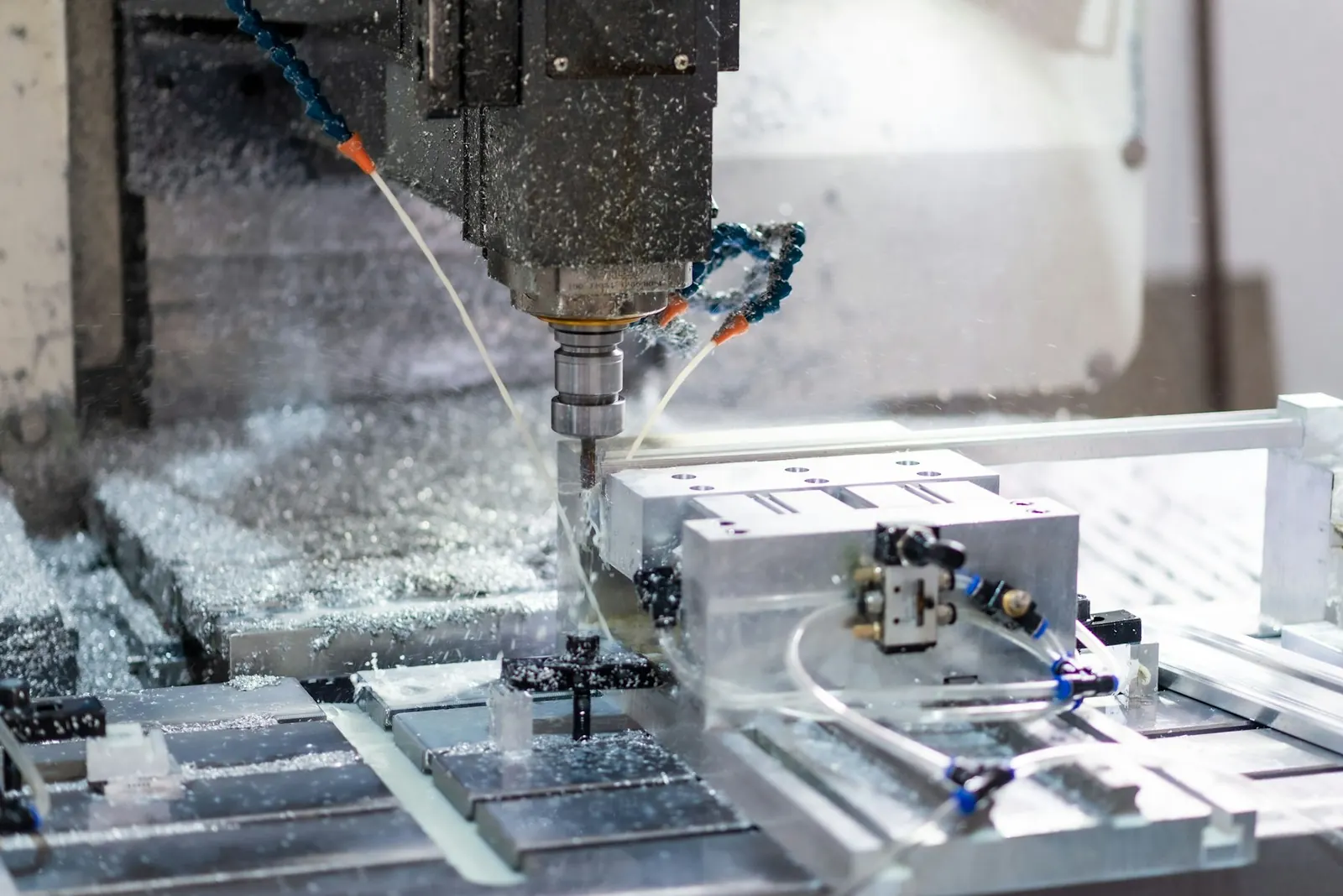
Dimensions
The layer grows: allow for it on the drawing
Anodising does not just sit on top: part of it grows outwards and part goes into the metal. Dimensions change.
As a guide, in conventional anodising each face grows outwards by about a third of the layer thickness. A shaft with a 15-micron layer gains about 10 microns in diameter, and a hole closes by the same amount.
On a 60° thread, the pitch diameter changes by about four times the growth on each flank. That is why fine threads or threads with tight tolerances are masked, or machined oversize and checked on the sample part.
- State whether each dimension applies before or after anodising.
- For fits of a few microns, plan to mask or machine oversize.
- Small internal threads are best masked or re-tapped afterwards.
Masking
The areas that must stay uncoated
The anodised layer does not conduct electricity. Earth points, electrical contacts, bearing seats and critical threads are covered before the bath, with plugs, tape or masking lacquers.
Masking is manual work and adds cost to every part. Mark it only where it is needed, with clear dimensions. If the whole part has to conduct, it may not need anodising: passivation protects and still conducts.
Material and shape
Alloys, welds, sharp edges and cavities
Alloys
The 6xxx series (6060, 6063, 6061, 6082) and 5xxx series give the most even colour. The 2xxx and 7xxx series (2011, 2024, 7075) can be anodised, but the shade and the layer vary: always with a sample part. High-silicon castings come out greyish.
- Do not mix alloys on parts that are seen together
- To match the colour, use the same material and the same batch of bar
Welds
Always weld before anodising. The weld bead almost always shows: with a silicon filler it comes out dark, and a 5xxx series filler usually blends in better. Avoid porosity and crevices where acid can be trapped.
Sharp edges
On a sharp edge the layer grows poorly and can flake off. A small chamfer or radius, of around half a millimetre, is usually enough.
Blind holes and cavities
They hold process liquid, which later seeps out and stains. If you can, make them through holes or add a drain hole.
Inserts and assembled parts
Helicoils, steel bushes, pins and rivets are fitted after anodising. Parts have to arrive disassembled.
The rack
Every part hangs from somewhere
To be anodised, each part is held on a rack that carries the current to it. At the contact points a small mark is left without coating.
Tell us where it can go: a hole, a thread that will be masked or a face that is not seen. If you do not say, we choose, and perhaps not where you would have liked.
And protect the parts between machining and treatment: anodising does not hide dents or scratches.
The drawing
What to put on the drawing or the order
With this information we reply with a quotation in under 24 hours.
You send us the drawing by email after the first call. With the sample part, in about 72 hours, you check fits and colour before releasing the production run.
- Alloy and temperFor example, 6082-T6. If you do not know, tell us where the bar comes from.
- DimensionsThose of the part and its approximate weight. We handle parts up to about 2 metres.
- Treatment and thicknessNatural or colour anodising, with the thickness in your specification or the ISO 7599 class.
- ColourWith a reference or a sample. For production runs, we make colour samples on your part, free of charge.
- Uncoated areasThreads, seats and electrical contacts, dimensioned.
- Dimensions before or afterWhether they apply before or after anodising.
- Contact pointsWhere the part can be held.
- InspectionWhether you need a certificate of conformity per batch or a sealing test.
- QuantityParts per batch and whether it repeats, so we can plan the production run.
Services
Related treatments
Colour anodising
Colour inside the aluminium that does not peel and comes out the same in every order.
Find out more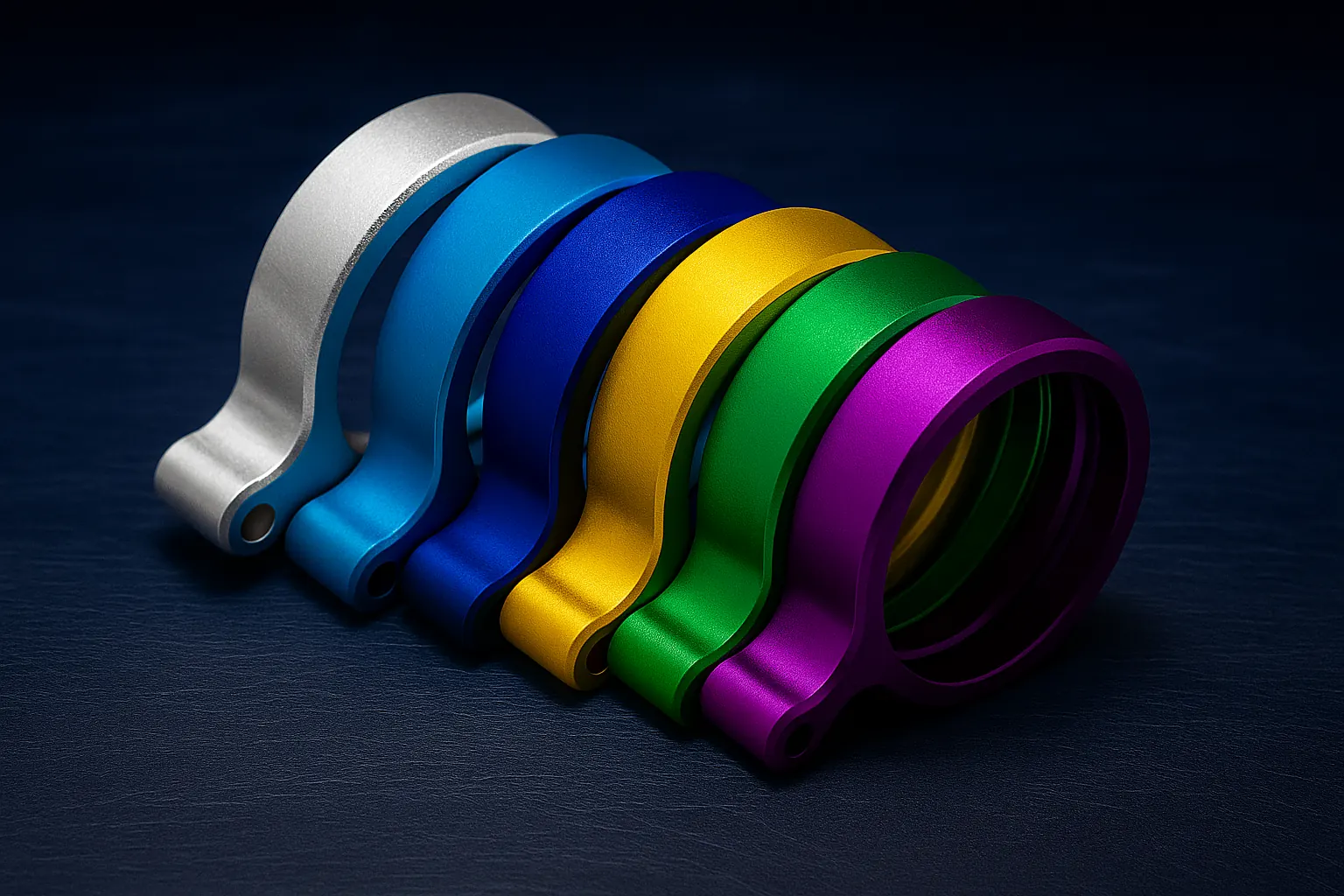
Aluminium passivation
So paint grips, the part does not corrode and it stays conductive. No hexavalent chromium.
Find out more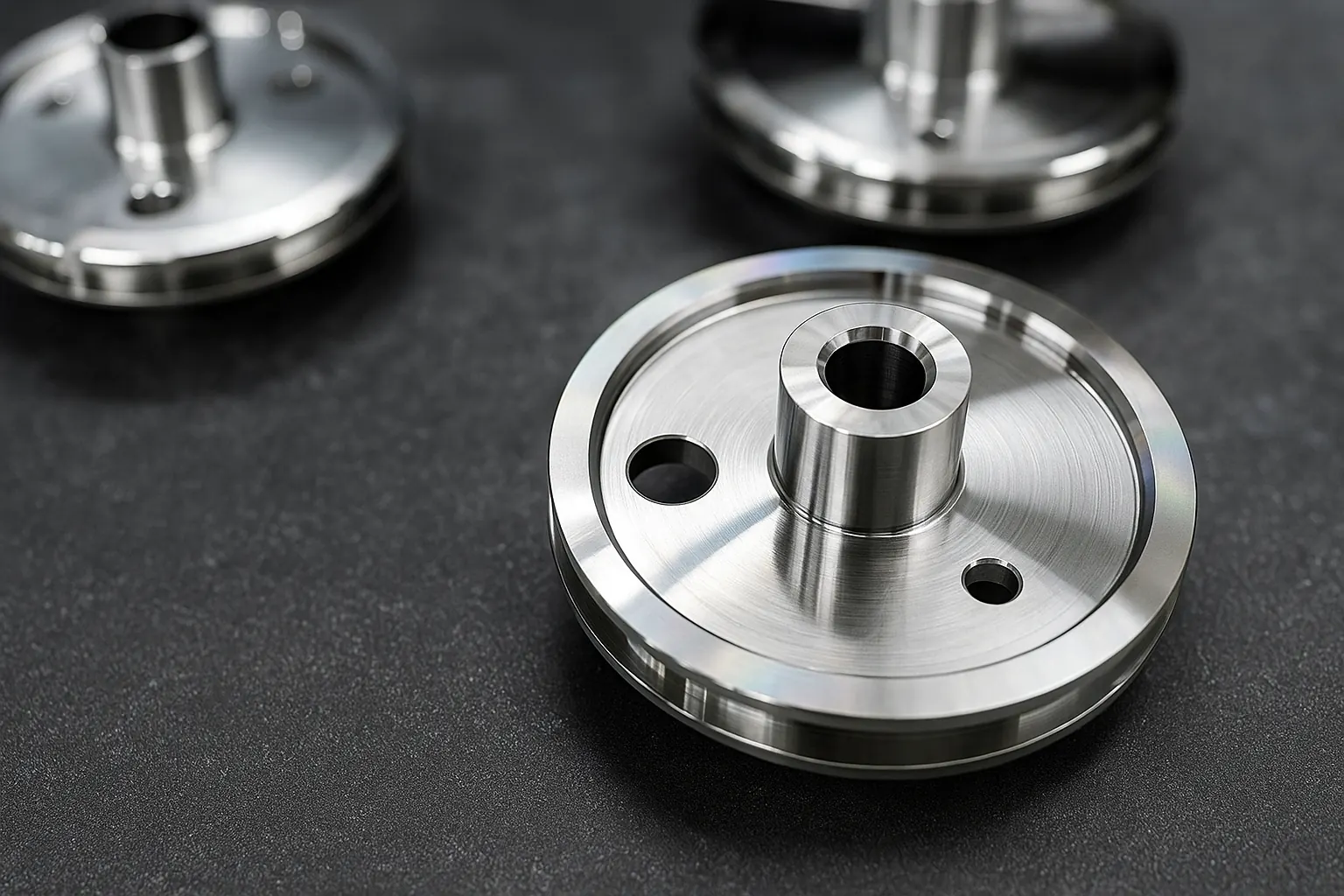
Bead blasting
An even matt finish before anodising, or a key for painting and bonding, with no iron stains.
Find out more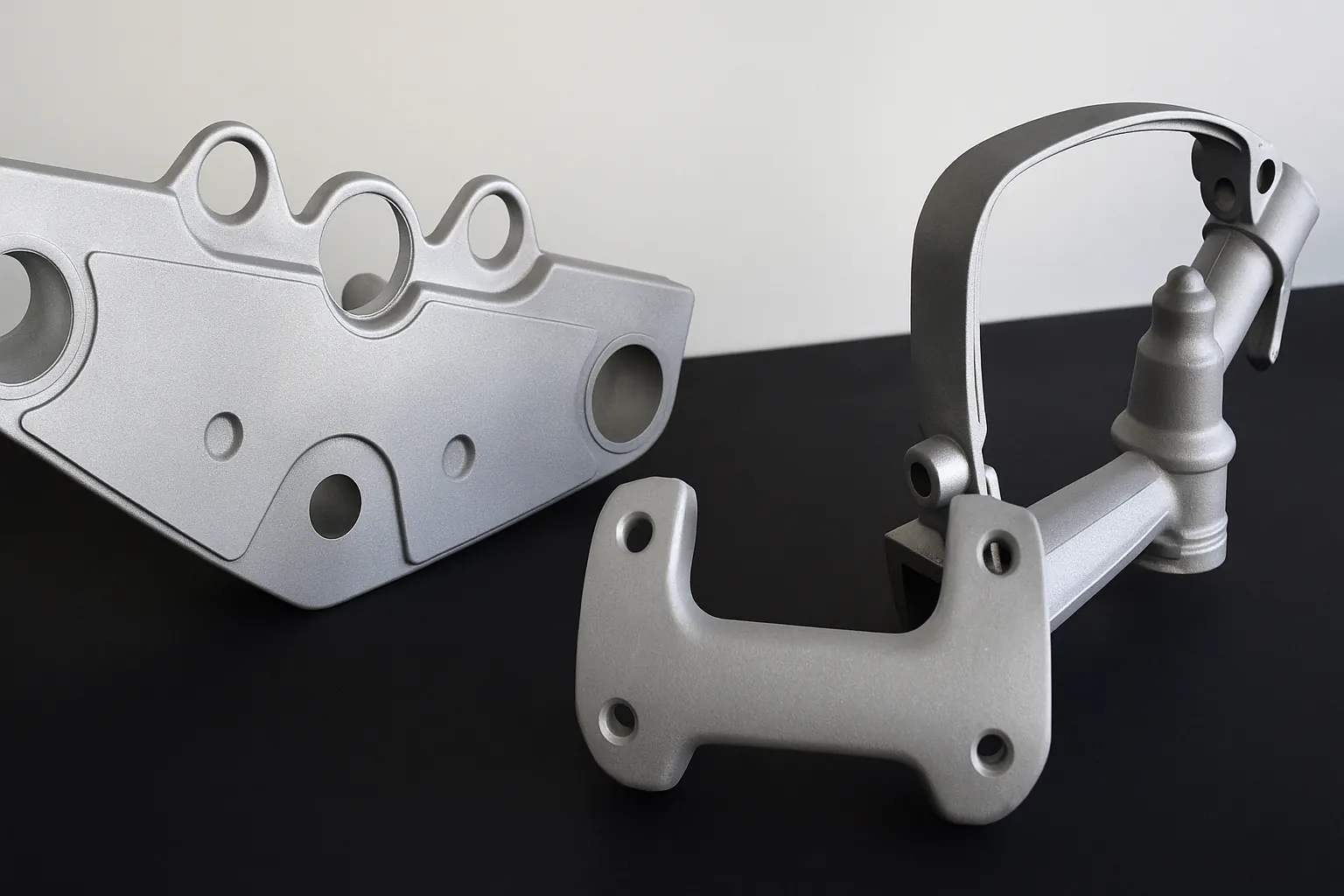
Frequently asked questions
Frequently asked questions
How much do dimensions change when anodising?
As a guide, each face grows outwards by about a third of the layer thickness. With a 15-micron layer, an outside diameter grows by about 10 microns and a hole closes by the same amount. Check it on the sample part.
Do threads have to be masked for anodising?
Fine threads or threads with tight tolerances, yes, or they are machined oversize. Large threads with generous clearance usually take the layer without a problem.
Can a welded part be anodised?
Yes, if it is welded beforehand. The weld bead will almost always be a different shade, and we tell you before we start.
Which aluminium alloy is best for anodising?
The 6xxx series, such as 6060, 6063 or 6082, and the 5xxx series. The 2xxx and 7xxx series can be anodised, but with more variation in shade.
Do you take short batches or prototypes?
Yes, as a step towards a production run. Where we can help you most is with repeat runs, with the same colour from one order to the next.
Working on a drawing?
Call +34 937 55 62 77 and we will go through threads, masking and colour with you before you machine. Or leave your number and we will call you back within the hour.
Speak to a technician. Monday to Friday, 8:00 to 17:00 (CET). Leave your number and we will call you back within the hour.
Direct contact
- Phone
- +34 937 55 62 77
- bucisl@bucisl.com
- Plant
- Carrer dels Remences, 114, 08304 Mataró (Barcelona)