
Aluminium passivation without hexavalent chromium
Passivation without hexavalent chromium in Mataró, near Barcelona
Speak to a technician. Monday to Friday, 8:00 to 17:00 (CET).
The process
For parts that are painted, bonded or earthed
So paint and adhesive grip and do not peel, and so the part does not corrode while still conducting. It adds almost no thickness and contains no hexavalent chromium.
Chassis, brackets, electronics housings, short profiles that are later powder coated, bonded parts. If paint is peeling off your aluminium, this step is almost always what is missing.
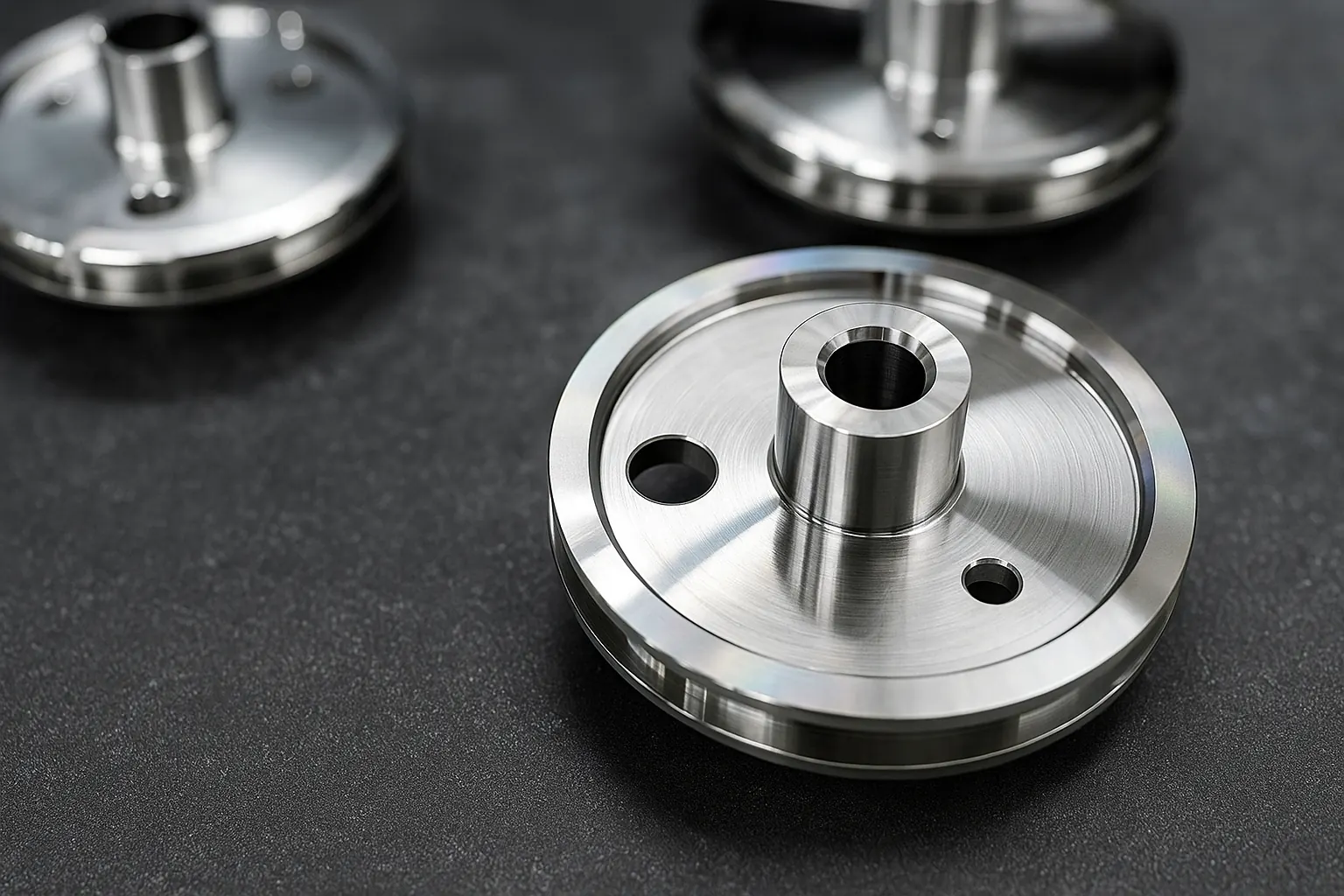
Passivation converts the surface into a film a few tenths of a micron thick. It protects less than anodising, but it gives paint a stable grip and can leave the part conductive, which anodising does not. No hexavalent chromium, compliant with REACH and RoHS.
- Paint and adhesive grip and do not peel
- Protects against corrosion without changing dimensions
- The part can stay conductive (Class 3)
- No hexavalent chromium: trivalent (Cr³⁺) or chrome-free (Zr/Ti)
Methods
Four ways to passivate
The choice depends on what happens to the part next (painting, bonding or earthing), the corrosion it has to withstand and what your customer requires.
Trivalent (Cr³⁺)
Protects and prepares for painting or bonding. Can remain conductive (Class 3).
- Natural or slightly iridescent look
- pH and bath control
Suitable for: Earthing and shielding · Before painting or bonding · Indoor use
Chrome-free (Zr/Ti)
Based on zirconium and titanium. The best grip for paint and adhesive, with basic protection.
- Almost colourless look
- Salt spray performance validated for the use
Suitable for: Painted or bonded parts · Strict environmental requirements
Class 1A or Class 3
We decide with you whether maximum protection (1A) or keeping the part conductive (3) comes first, and which checks apply.
- Tests and acceptance criteria agreed
Suitable for: Maximum protection · Electrical continuity
Preparation
Degreasing, activation or deoxidising and controlled rinses before passivation. Paint adhesion and salt spray results depend on this step.
- Areas masked where needed
Suitable for: All parts · 2xxx and 7xxx alloys
Palette
What it looks like
Passivation does not add colour: the surface stays natural or slightly iridescent, depending on the alloy.
- ClearZr/Ti
- Natural greyCr³⁺
- Slight iridescenceCr³⁺ · normal variation
- Pale yellowCr³⁺ · depending on bath
- Soft oliveCr³⁺ · depending on alloy
- Matt metallicZr/Ti · under paint
A slight iridescence is part of the process, not a defect, as long as the part meets the specification.
Quality control
What we control
Adhesion, protection and conductivity: what makes or breaks a passivation.
Paint and adhesive grip
We check it with a cross-cut test on a part or test panel and, where the use calls for it, with humidity or salt spray.
Reference standards: ISO 2409 · ASTM D3359 · ISO 9227
Typical values
- Cross-cut test: ISO 2409 / ASTM D3359
- Process: Cr³⁺ or Zr/Ti depending on use
How we check it
- Controlled degreasing and activation
- Passivation and drying to the process sheet
- Adhesion and salt spray on a part or test panel
- The run repeats the approved process
Corrosion
Salt spray with the hours and criteria your specification sets, depending on the alloy.
2xxx and 7xxx alloys need specific preparation.
Reference standards: ISO 9227 · ISO 4628
Typical values
- Test: Neutral salt spray (ISO 9227)
- Hours: To your specification
How we check it
- Hours and criteria (pitting, staining) defined
- External testing if required
- Result recorded before delivery
Conductivity
Class 3 if the part has to stay earthed; Class 1A if protection comes first.
Typical values
- Class 3: Low electrical contact resistance
- Class 1A: Maximum protection
How we check it
- No over-conversion
- Controlled rinsing and drying
- Contact areas masked if the part is painted afterwards
Appearance
Even natural or iridescent tone, with no halos or drip marks.
Typical values
- Criterion: Visual, agreed with you
How we check it
- Control of drips and racking
- Visual inspection per batch
Traceability
Every batch leaves labelled and with its records.
Typical values
- Certificate of conformity: Per batch
- Label: Order · batch · date
Comparison
Passivation or anodising?
It depends on what the part has to do.
If you are going to paint or bond it
Passivation: it is the base that makes paint grip.
- Liquid paint or powder coating
- Adhesives
If it has to conduct
Class 3 passivation. Anodising insulates.
- Earthing and shielding
- Electrical contacts
If it is on show or used outdoors
Anodising: it protects more and gives controlled colour and gloss. Passivation has a technical look.
- Outdoor and coastal use
- Visible parts
How we work
From sample to production run
Lead times are for guidance: they depend on volume, workload and any tests the project requires.
Call and quotation
Under 24 h
You tell us what will happen to the part (painting, bonding, earthing), the alloy and which tests your customer requires.
Test part
About 72 h
We passivate a part or panel and check adhesion and, if requested, salt spray before the run.
Production run
5–10 working days
The same process you approved, with bath records and checks on every batch.
Delivery
At our plant or by carrier
Final inspection, a certificate of conformity if you ask for it, and packaging that protects the finish.
Frequently asked questions
Frequently asked questions
Why is the paint peeling off my aluminium?
Almost always because of poor preparation: paint does not grip well on the natural oxide of aluminium. Passivation leaves a stable base for painting.
How is it different from anodising?
Passivation is a very thin film: it prepares the part for painting and can conduct. Anodising is a thicker layer: it protects more and takes colour, but it insulates.
Do you use hexavalent chromium?
No. We work with trivalent chromium (Cr³⁺) or chrome-free (Zr/Ti) processes, compliant with REACH and RoHS.
Do you do Alodine 1200 or chemical conversion coating?
Classic Alodine 1200 contains hexavalent chromium, and we do not use it. We replace it with a chemical conversion coating free of hexavalent chromium: we explain how on our Alodine 1200 page, under Services.
Can the part be painted or bonded after passivation?
Yes, that is what it is for. We check adhesion to ISO 2409 or ASTM D3359 and, where needed, with humidity or salt spray tests.
What does it look like?
Natural or slightly iridescent, depending on the alloy. That iridescence is normal and does not indicate a defect.
Which alloys can be passivated?
Mainly the 5xxx and 6xxx series, and also 2xxx and 7xxx with specific preparation. Tell us the alloy and its temper and we will recommend the process.
Do you certify every batch?
Yes. A certificate of conformity for every batch if you need one, with the process records and evidence we agree.
Are there limits on size or masking?
We work on small and medium-sized parts, up to about 2 metres. Tell us the dimensions, the contact areas and whether there are threads or surfaces to protect.
How long does it take?
Samples or the pilot run in about 72 hours (48–72 h). Production runs in 5 to 10 working days, as a guide, depending on volume and workload. More than 99% of our deliveries leave on time.
Sectors
Where we apply it
Engineering and machinery
Machined parts, tooling and brackets anodised without going out of tolerance, with lead times that do not slow your delivery.
Find out more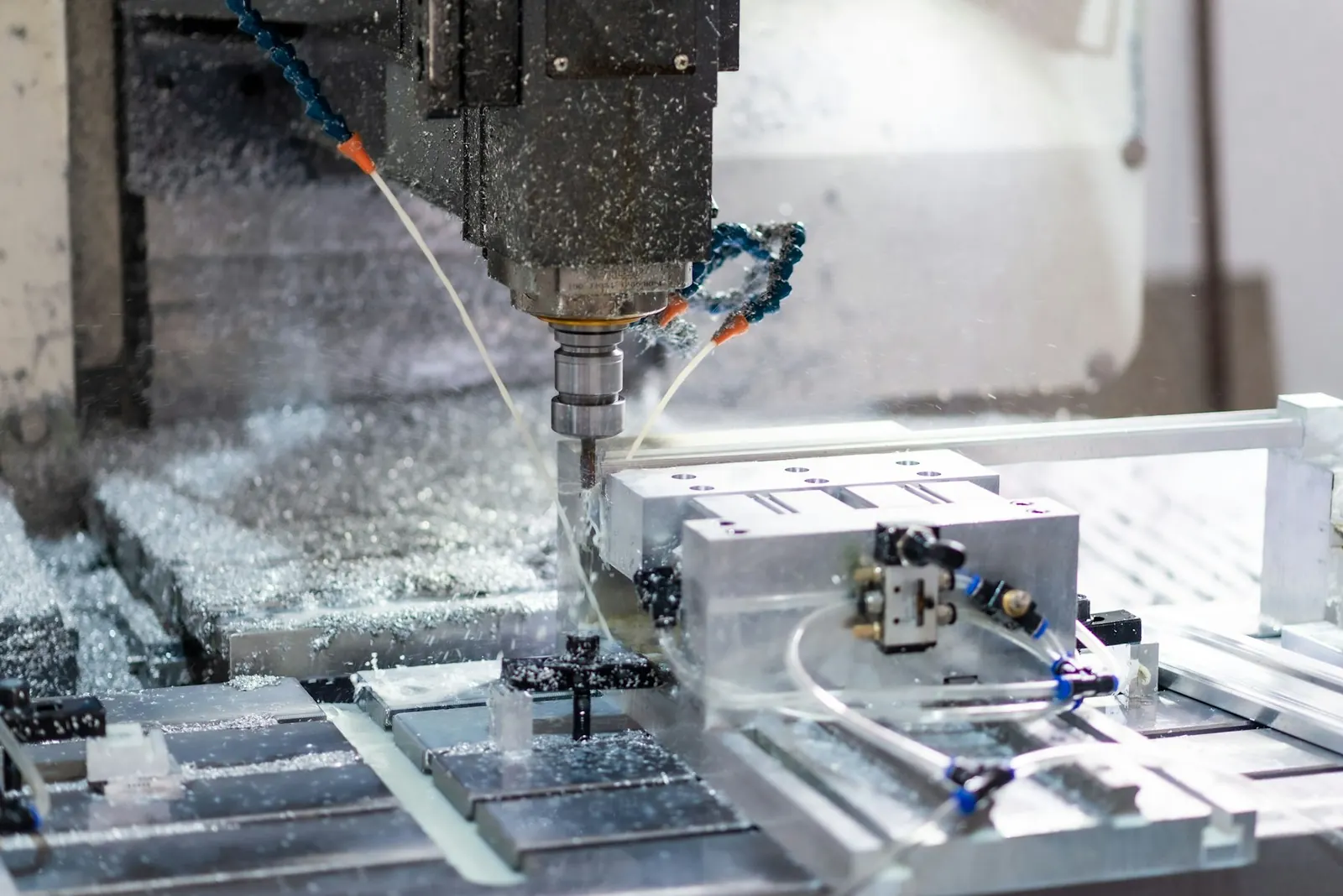
Aerospace
Anodising and conductive conversion coating with records per batch and the documentation the sector requires.
Find out more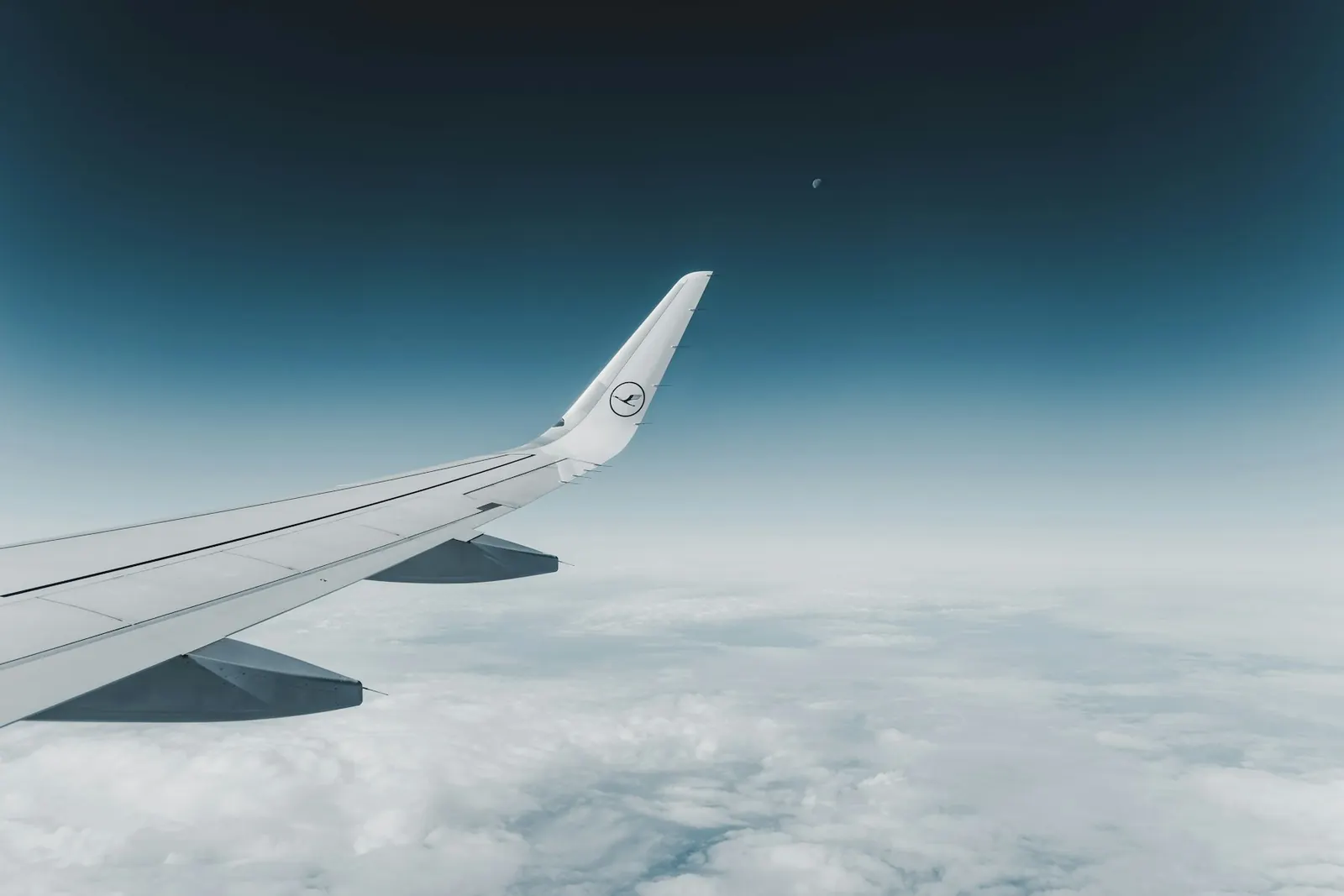
Automotive
Visible and technical parts for automotive and e-mobility suppliers, with the same colour and the same paperwork in every batch.
Find out more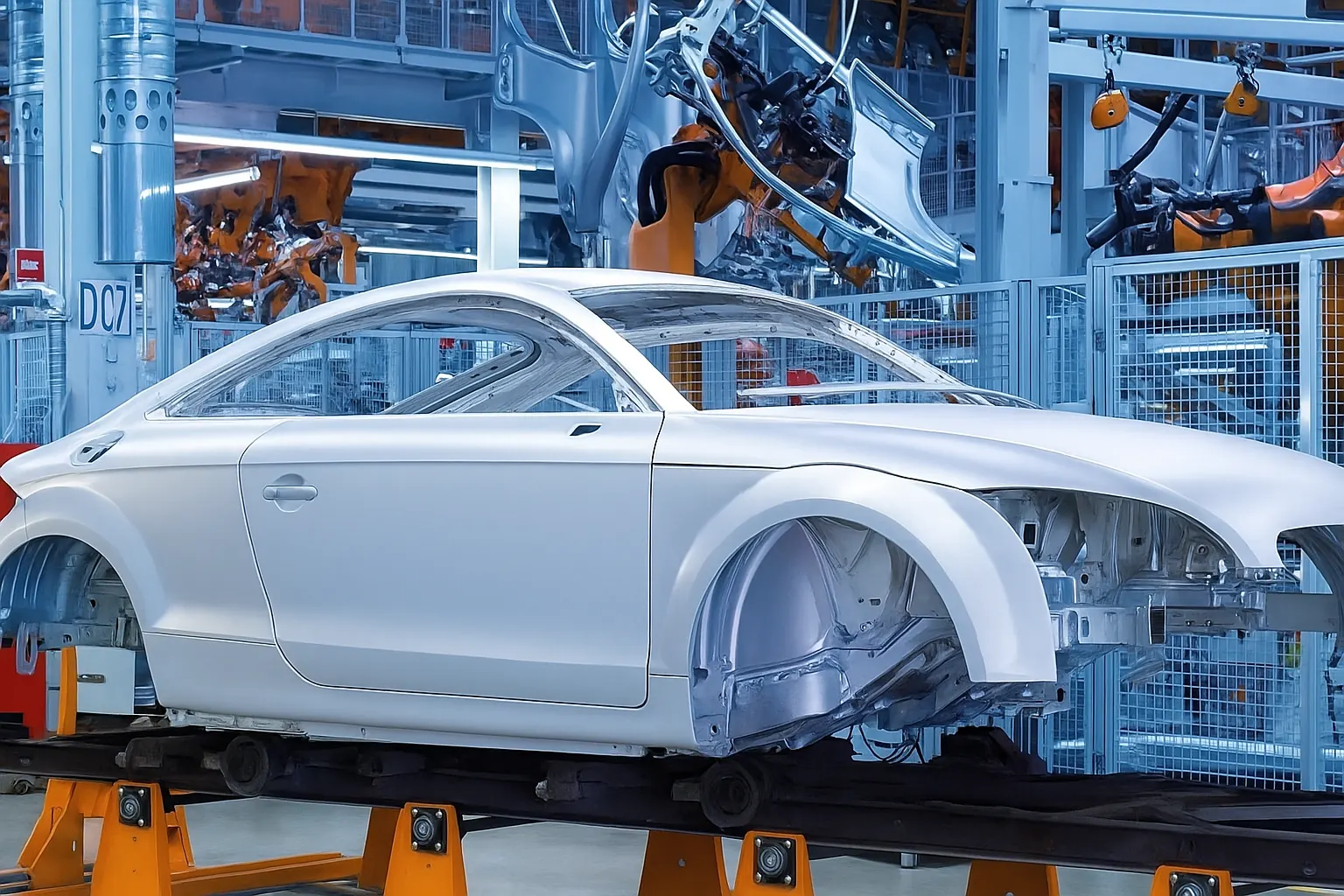
Is your paint peeling?
Tell us what the part does and we will tell you whether it needs passivation, anodising or neither. Call +34 937 55 62 77 and speak to a technician: they will advise you and give you a price. Monday to Friday, 8:00 to 17:00 (CET). If you prefer, leave us your number and we will call you back within the hour.
Speak to a technician. Monday to Friday, 8:00 to 17:00 (CET). Leave your number and we will call you back within the hour.
Direct contact
- Phone
- +34 937 55 62 77
- bucisl@bucisl.com
- Plant
- Carrer dels Remences, 114, 08304 Mataró (Barcelona)