Hard anodising (Type III): what it is and when you need it
We will say it up front: BUCI does not do hard anodising. But many parts that ask for it do not need it.
Speak to a technician. Monday to Friday, 8:00 to 17:00 (CET).
What it is
A thicker, harder layer
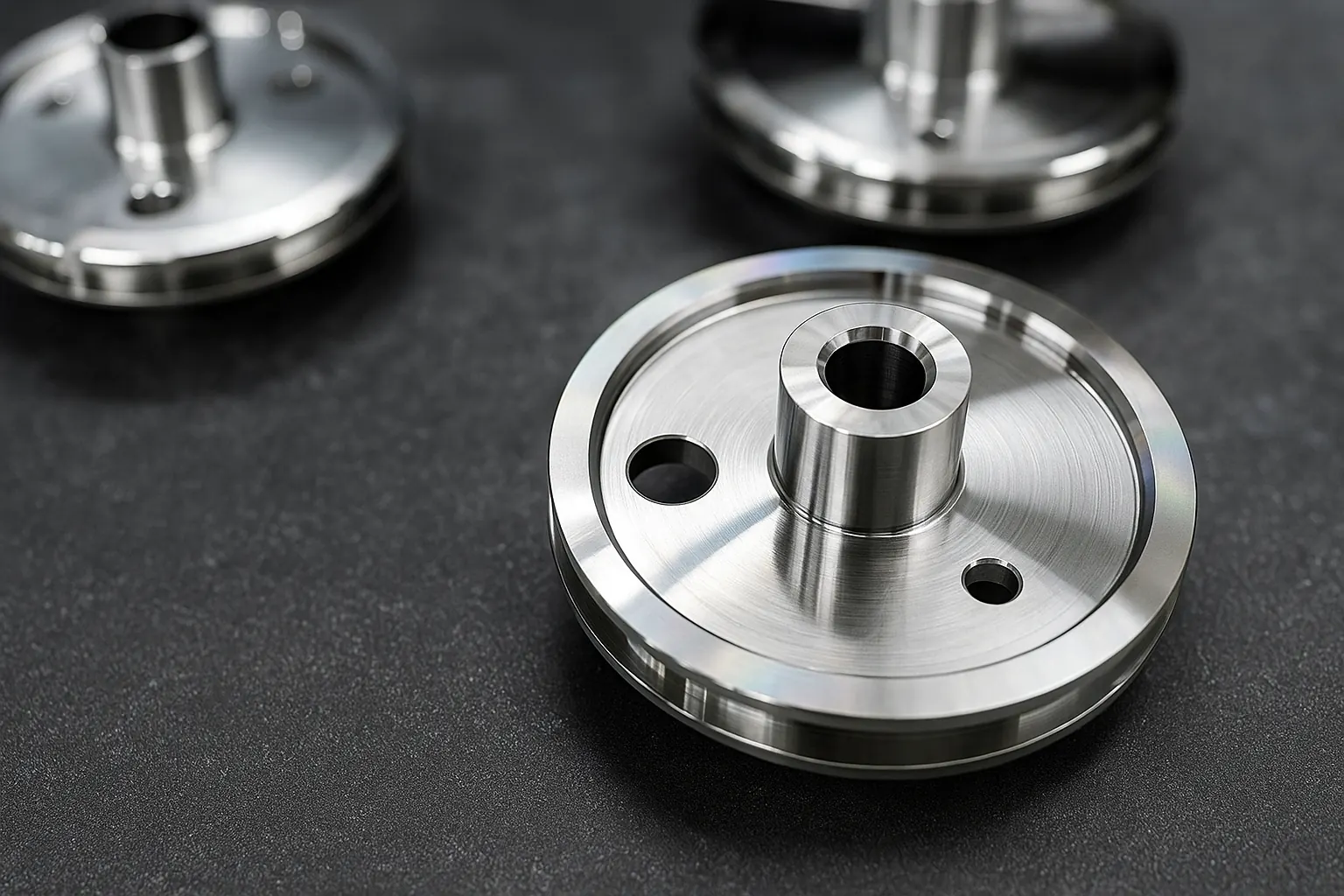
Hard anodising is the same process taken to the limit: a colder bath, more current and a much thicker layer.
The aim is wear resistance, not appearance. As a guide, the layer usually ranges from 25 to 100 microns, compared with 5 to 25 for standard anodising.
In the standards it appears as Type III (MIL-A-8625) or under ISO 10074. It usually comes out dark grey or bronze, depending on the alloy, and allows few colours: black is the most common.
When you need it
When the part rubs, slides or wears
- Surfaces that slide against another part: guides, pistons, cylinders, cams.
- Parts under continuous abrasion: sand, particles, rubbing cables or belts.
- Areas that need high electrical insulation.
- When a customer or industry specification requires it, as in aerospace or defence.
When Type II is enough
Many parts that ask for it do not need it
Type II anodising, the standard kind, is already much harder than bare aluminium.
If you want the part not to corrode, not to scratch in normal use or to have a specific colour, Type II technical anodising at the right thickness is usually enough. And it is usually quicker and cheaper.
Sometimes a drawing calls for «hard anodising» out of habit, on parts that do not rub against anything. It is worth checking before you pay for it.
- Type IICorrosion, appearance and colour. A layer of 5 to 25 microns. Many colours.
- Type III, hardWear and abrasion. A thick layer that changes dimensions more. Dark grey or black.
At BUCI
We do not do it. This is what we do
BUCI does not do hard anodising. If your part really needs it, we tell you on the first call, so you do not lose time.
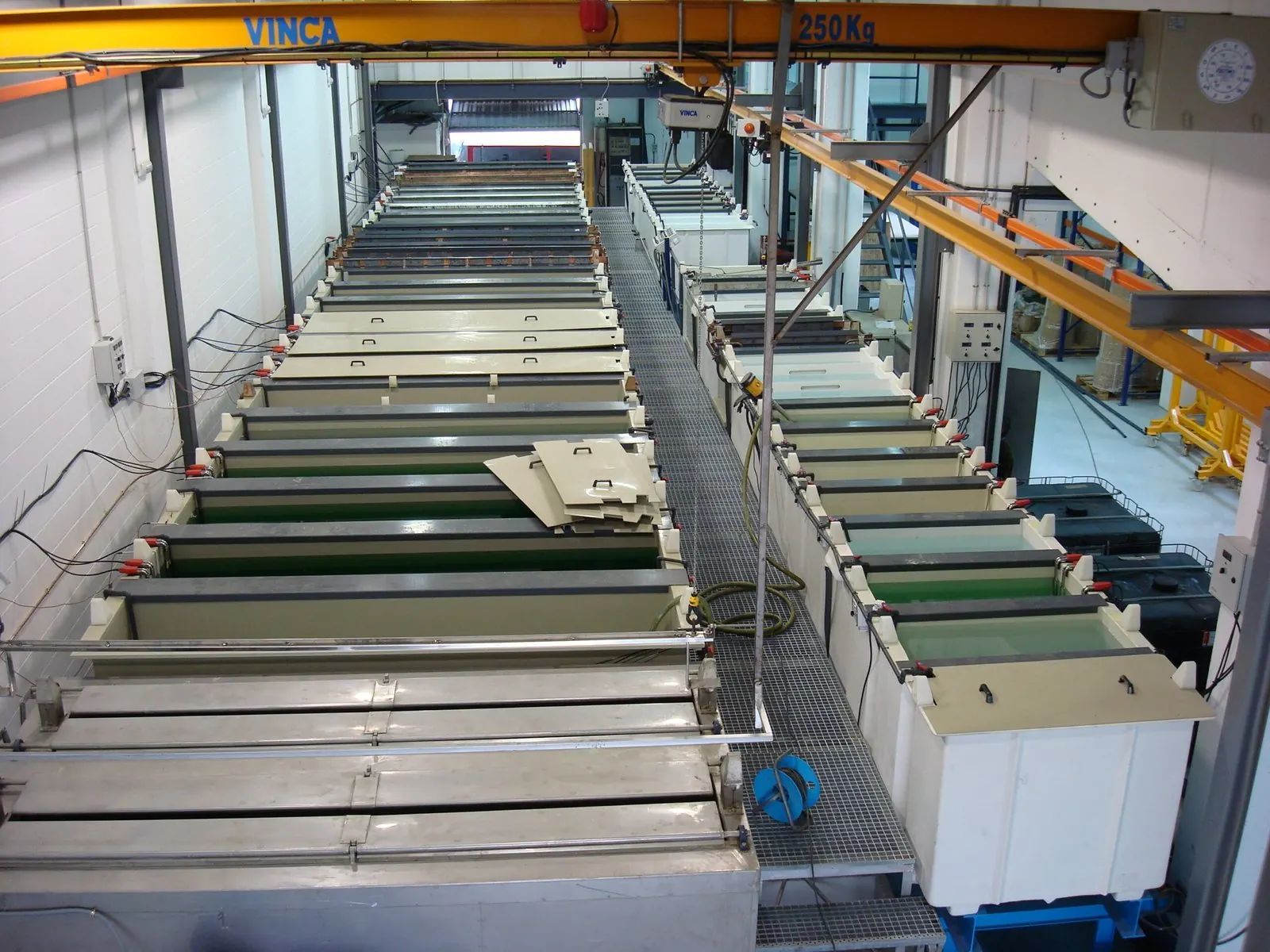
If it does not, we give it Type II anodising, natural or coloured, at the thickness your specification calls for. A sample part in about 72 hours and production runs in 5 to 10 working days, as a guide depending on volume and workload.
It also happens that only one part in an assembly needs hard anodising. We can treat the rest.
Frequently asked questions
Frequently asked questions
What is hard anodising?
Anodising with a much thicker, harder layer than the standard kind, designed to resist wear. It is also known as Type III.
What is the difference between Type II and Type III anodising?
Type II is the standard kind: it protects against corrosion and allows many colours. Type III, or hard anodising, has a thicker layer to resist wear, with few colours and more effect on dimensions.
What is Type II Class 1 or Class 2 anodising?
In MIL-A-8625, Class 1 is undyed, natural, and Class 2 is dyed, with colour. We do natural and colour anodising.
Do you offer hard anodising in Barcelona?
We do not. BUCI is in Mataró, about 30 km from Barcelona, and does Type II anodising, natural and coloured. If your part needs hard anodising, we will tell you clearly.
Can hard anodising be coloured?
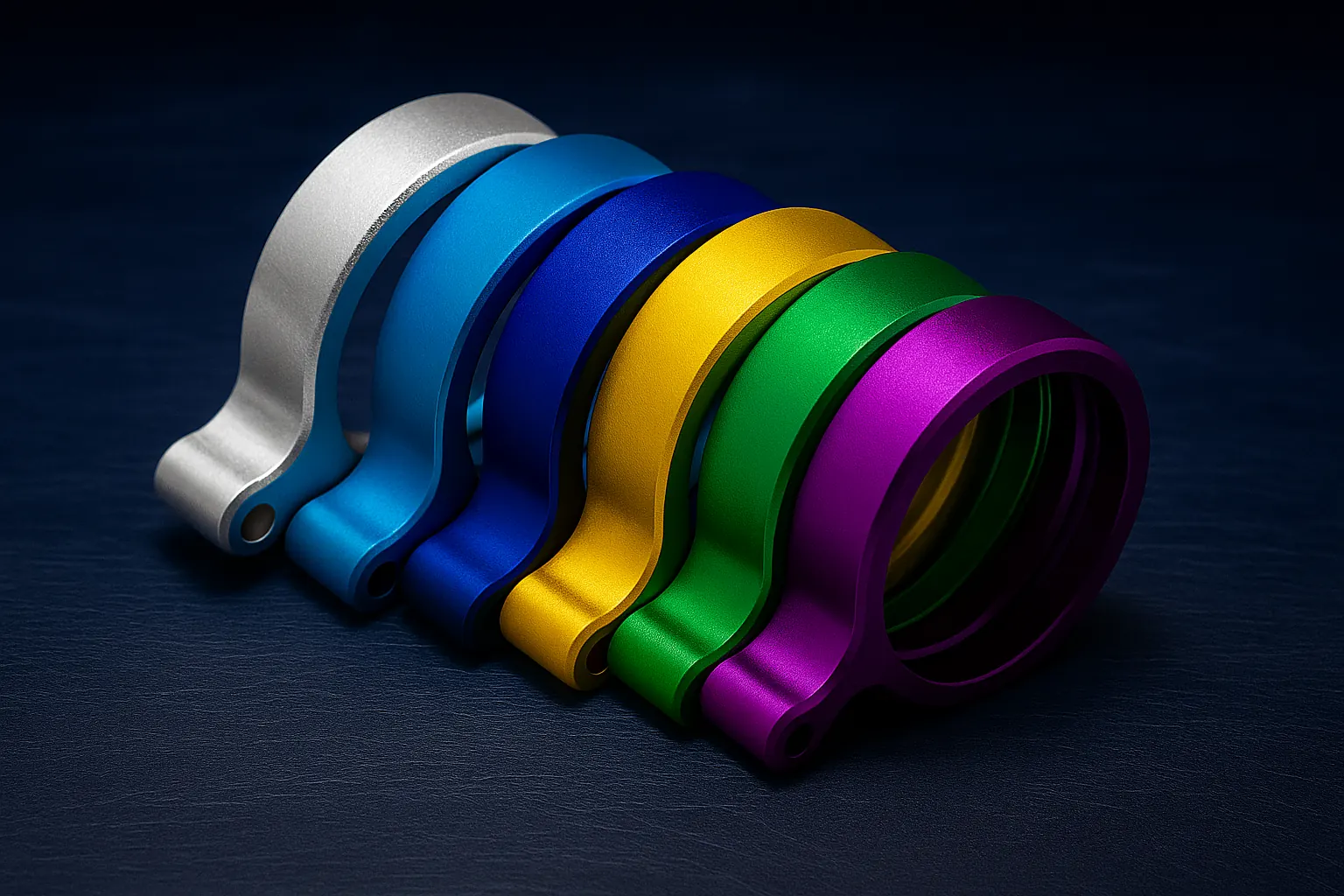
It allows few colours, because the layer already comes out dark. Black is the most common.
Not sure what your part needs?
Speak to a technician: +34 937 55 62 77, Monday to Friday, 8:00 to 17:00 (CET). We tell you which treatment suits your part, and when it needs none. Or leave your number and we will call you back within the hour.
Speak to a technician. Monday to Friday, 8:00 to 17:00 (CET). Leave your number and we will call you back within the hour.
Direct contact
- Phone
- +34 937 55 62 77
- bucisl@bucisl.com
- Plant
- Carrer dels Remences, 114, 08304 Mataró (Barcelona)