
Colour anodising for aluminium parts
Colour anodising in Mataró, near Barcelona
Speak to a technician. Monday to Friday, 8:00 to 17:00 (CET).
The process
For the parts people see
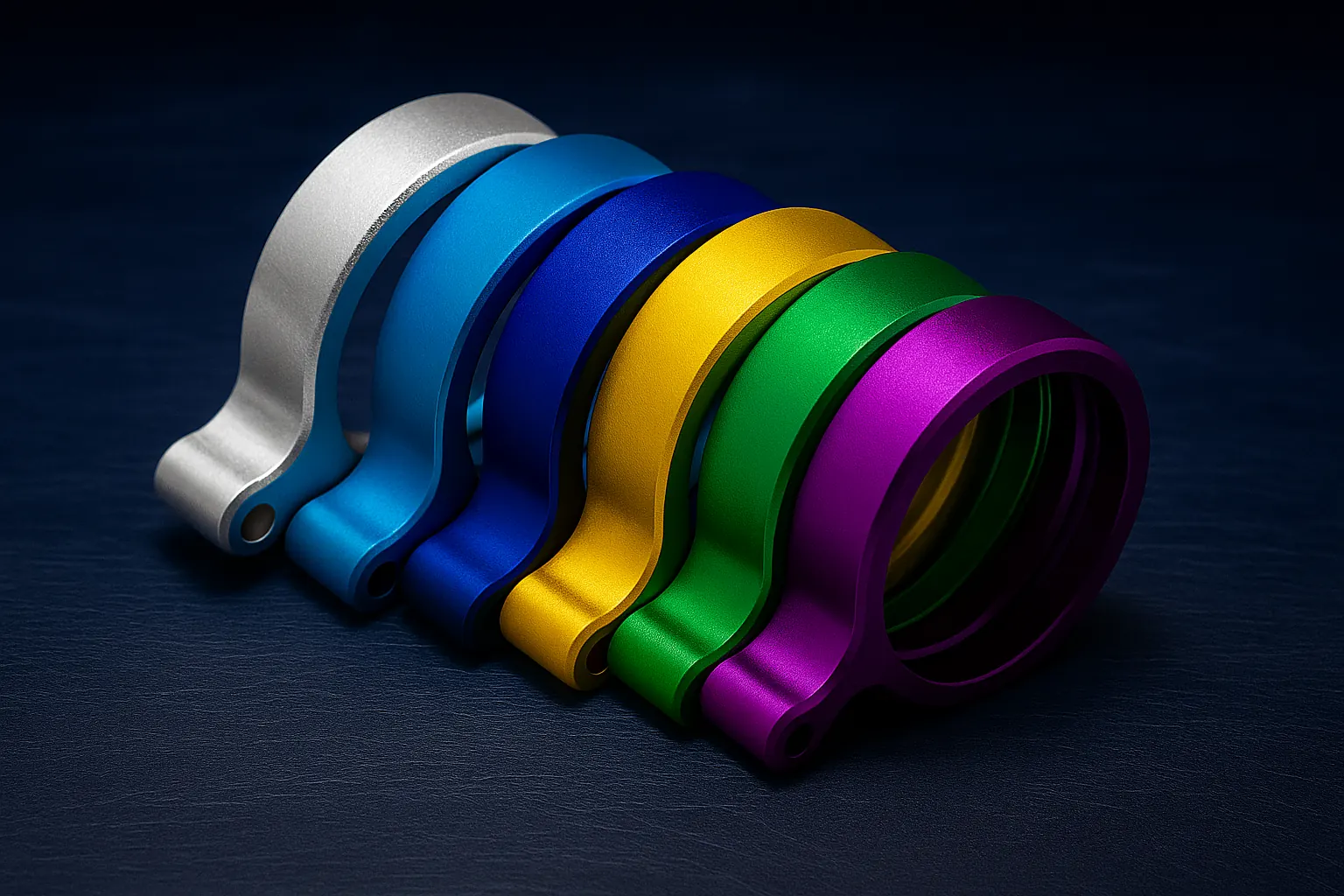
Your parts come out in the colour you asked for, and next year’s order comes out the same. The colour sits inside the aluminium: it does not peel or flake.
Housings, covers, knobs, brackets, furniture and lighting parts up to about 2 metres: what your customer sees and touches. Anodising dyes the protective layer of the aluminium itself. It is not a film on top, so it does not peel.
Giving colour is not the hard part. Repeating it is. The alloy, the prior finish and the process all shift the shade. That is why we fix everything on the pilot and keep a reference sample of every colour.
How the colour gets in: anodising grows a porous oxide layer. Before the layer is sealed, the pores take up metal salts or dyes, and the colour shares the hardness and corrosion resistance of the layer.
- The same colour from order to order: ΔE*ab ≤ 1.0 between batches
- Colour samples on your own part, free of charge for production runs
- Pilot in about 72 hours; production runs in 5 to 10 working days
- Certificate of conformity for every batch
Methods
Three ways to add colour
We recommend one depending on where the part will be used, the shade you want and what has to repeat from order to order.
Electrolytic
Metal salts deposited at the bottom of the pore. The colour most stable in sunlight and against corrosion, and the easiest to repeat between orders. Champagne, bronzes, graphite and black.
- Very high repeatability between batches
- Needs correct sealing
Suitable for: Outdoor use · Long production runs · Champagne, bronzes and black
Organic
Dyes absorbed by the pore before sealing. The widest range, with vivid colours: red, blue, green or purple.
- In direct sunlight some shades lose intensity: better indoors
- A target colour difference (ΔE*) is agreed
Suitable for: Indoor use · Product and design · Special colours
Interference
The colour comes from how light bounces inside the layer. Stable shades and a very refined look.
- Shorter range of shades
- Its own process and cost
Suitable for: Outdoor use · High-end parts
Palette
Common colours
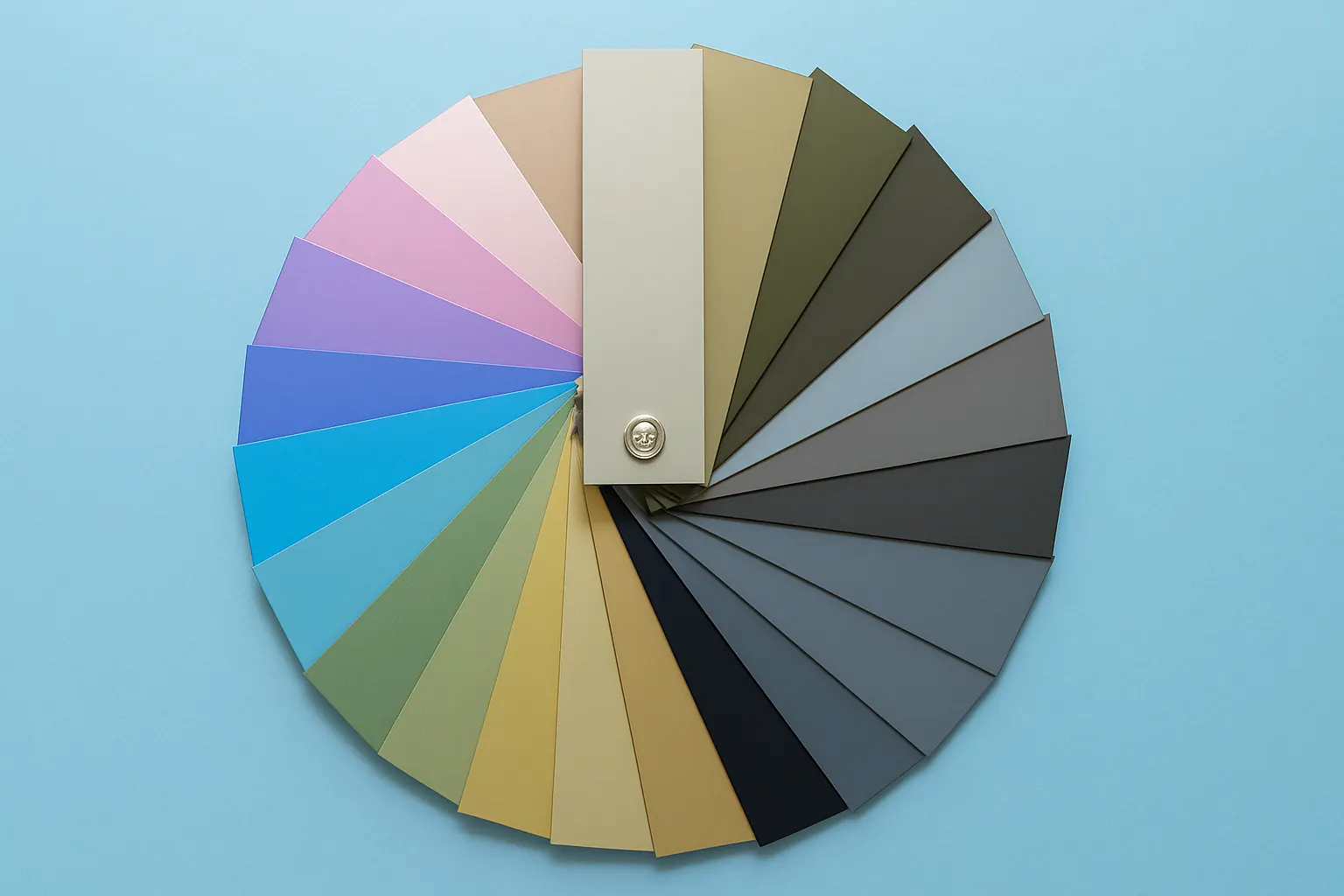
A reference only. The actual shade is approved on your part before production.
- NaturalNo colour · outdoor
- Satin stainlessNatural · indoor and outdoor
- ChampagneElectrolytic · outdoor
- Light goldInterference · outdoor
- Light bronzeElectrolytic · outdoor
- Medium bronzeElectrolytic · outdoor
- Dark bronzeElectrolytic · outdoor
- GraphiteElectrolytic · outdoor
- BlackElectrolytic or organic
- Titanium blueInterference · outdoor
- Olive greenInterference · outdoor
- Ruby redOrganic · indoor
- FuchsiaOrganic · indoor
- PurpleOrganic · indoor
- Cobalt blueOrganic · indoor
- Electric blueOrganic · indoor
- GreenOrganic · indoor
On-screen colours are only a guide: the actual shade depends on the alloy, the texture and the prior finish. Black for outdoor use depends on the method chosen.
Quality control
What we control
What decides whether the colour comes out right and repeats.
Colour
We compare every batch with your sample or reference, using a spectrophotometer and a light booth.
Satin finishing, brushing and the alloy all change the shade you see.
Reference standards: ISO / ASTM colorimetry standards
Typical values
- Between batches: ΔE*ab ≤ 1.0
- Reference: Your physical sample, RAL or Pantone
- Illuminant / observer: D65 / 10°
How we check it
- Light booth checked before measuring
- Measurement at fixed points against the reference
- Reference sample kept for every colour
- Measurements recorded for every batch
Gloss and texture
Matt, satin or bright, with the grain running the same way on every part. Decided before anodising.
Typical values
- Finishes: Matt · satin · bright
- Gloss: Target GU for each part
How we check it
- Prior satin finish or brushing defined
- Gloss compared with the target in fixed areas
- Reference part approved and repeated across the run
Thickness and sealing
Protection, and a colour that does not change over time, depend on the layer and its sealing.
If the part is going outdoors or near the coast, tell us: it changes which colour is right.
Reference standards: ISO / ASTM sealing and porosity standards
Typical values
- Thickness: To your specification
- General reference: ISO 7599 thickness classes
- Thickness measurement: Eddy current
- Sealing test: Per batch, if your specification requires it
Sunlight and corrosion
The method and the dye are chosen for the sunlight and environment the part has to withstand.
A strong organic colour for outdoor use is validated before the production run.
Reference standards: ISO 9227
Typical values
- For outdoor use: Electrolytic or interference
- Salt spray: Hours to your specification
Traceability
Every batch leaves labelled and with its records.
Typical values
- Certificate of conformity: Per batch
- Label: Order · batch · date
How we work
From sample to production run
Lead times are for guidance: they depend on volume, workload and any tests the project requires.
Call and quotation
Under 24 h
You tell us the part, the quantity, the colour (ideally with a sample) and whether it is for indoor or outdoor use. We give you a price and a lead time.
Colour samples
About 72 h
We colour some of your own parts so you can approve shade, gloss and texture before the run. Free of charge for production runs.
Production run
5–10 working days
The same route you approved on the sample, with a control plan per part family and records for every batch.
Delivery
At our plant or by carrier
Final inspection, a certificate of conformity if you ask for it, and packaging that protects the finish.
Frequently asked questions
Frequently asked questions
What is the difference between natural anodising and colour anodising?
Natural anodising has no dye: it keeps the silver tone of the aluminium. In colour anodising the layer is coloured with metal salts (electrolytic), with organic dyes or by light interference.
Does colour anodising peel?
No. The colour sits inside the layer of the aluminium itself, not on top like paint. That is why it does not flake.
Will the colour be the same in every order?
That is why we fix the alloy, the prior finish and the process on the pilot, keep a reference sample and measure every batch: ΔE*ab ≤ 1.0 between batches. If the alloy or your bar supplier changes, let us know, because the shade can shift.
Can you match a RAL or Pantone colour?
Anodising does not reproduce a RAL chart the way paint does: the colour depends on the alloy and the finish. We work to your sample or reference and show you samples on your part before production.
Which colour lasts best outdoors?
Electrolytic colours (champagne, bronzes, graphite, black) and interference colours. Some organic colours lose intensity in sunlight: we advise against them for outdoor use.
How do the alloy and the prior finish affect the colour?
The alloy series, its temper and the satin finish or brushing all change the shade you see. That is why we validate with a sample from the same part family.
What thickness and sealing are needed?
The thickness your specification sets; as a general reference, the ISO 7599 classes, higher for outdoor use. Correct sealing is what keeps the colour stable and the part protected.
Do you supply a certificate and records?
Yes. A certificate of conformity for every batch if you need one, with the colour, thickness and sealing records we agree.
Are there size or shape limits?
We work on small and medium-sized parts, up to about 2 metres. Tell us the maximum dimensions, where the part can be held and whether any areas need protecting.
How long does it take?
Samples or the pilot run in about 72 hours (48–72 h). Production runs in 5 to 10 working days, as a guide, depending on volume and workload. More than 99% of our deliveries leave on time.
Sectors
Where we apply it
Industrial design
Products, lighting and furniture with colour, gloss and texture approved on a sample and repeated in every order.
Find out moreAutomotive
Visible and technical parts for automotive and e-mobility suppliers, with the same colour and the same paperwork in every batch.
Find out more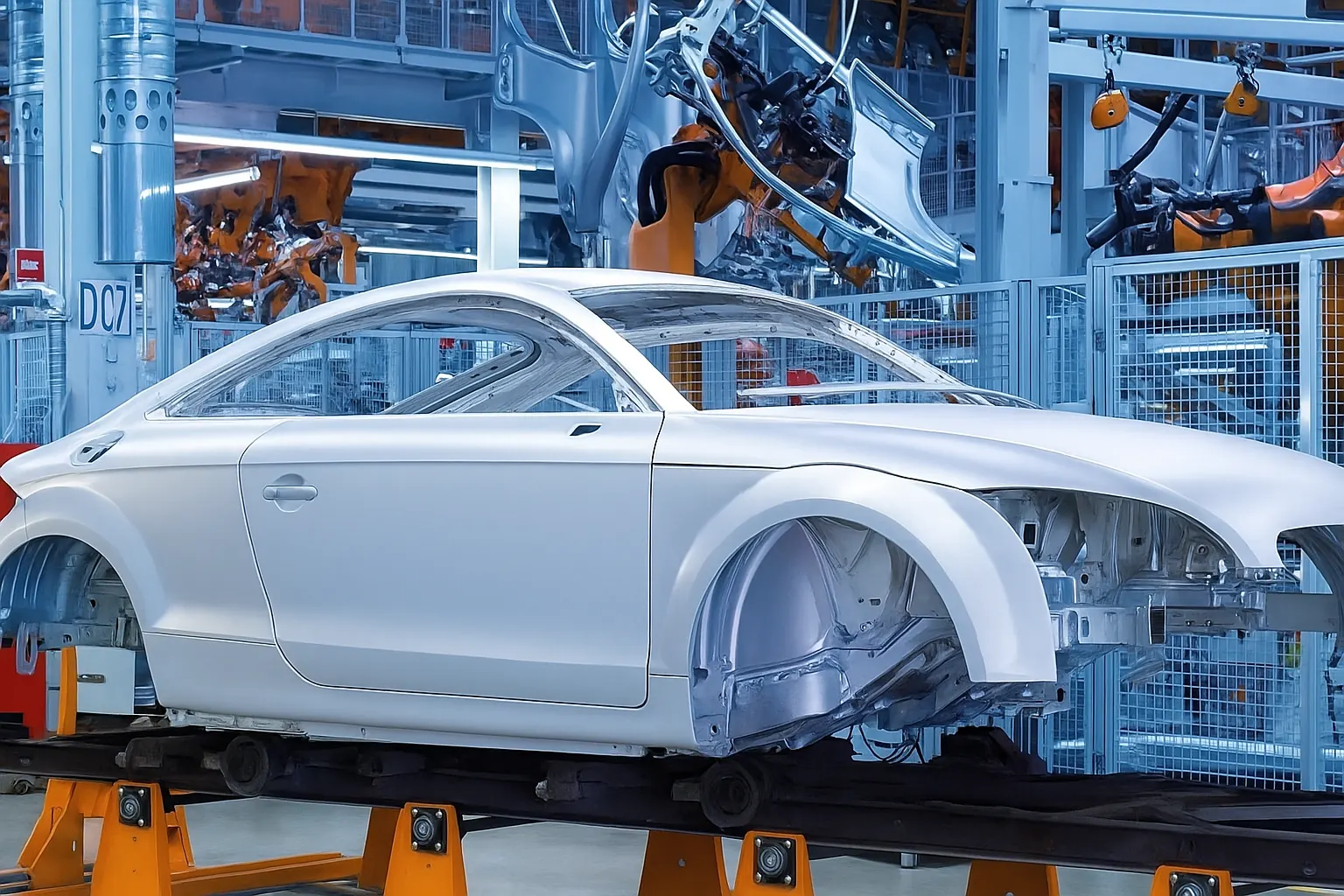
Marine
Fittings, profiles and brackets that stand up to salt and sun, with the same colour in every order.
Find out more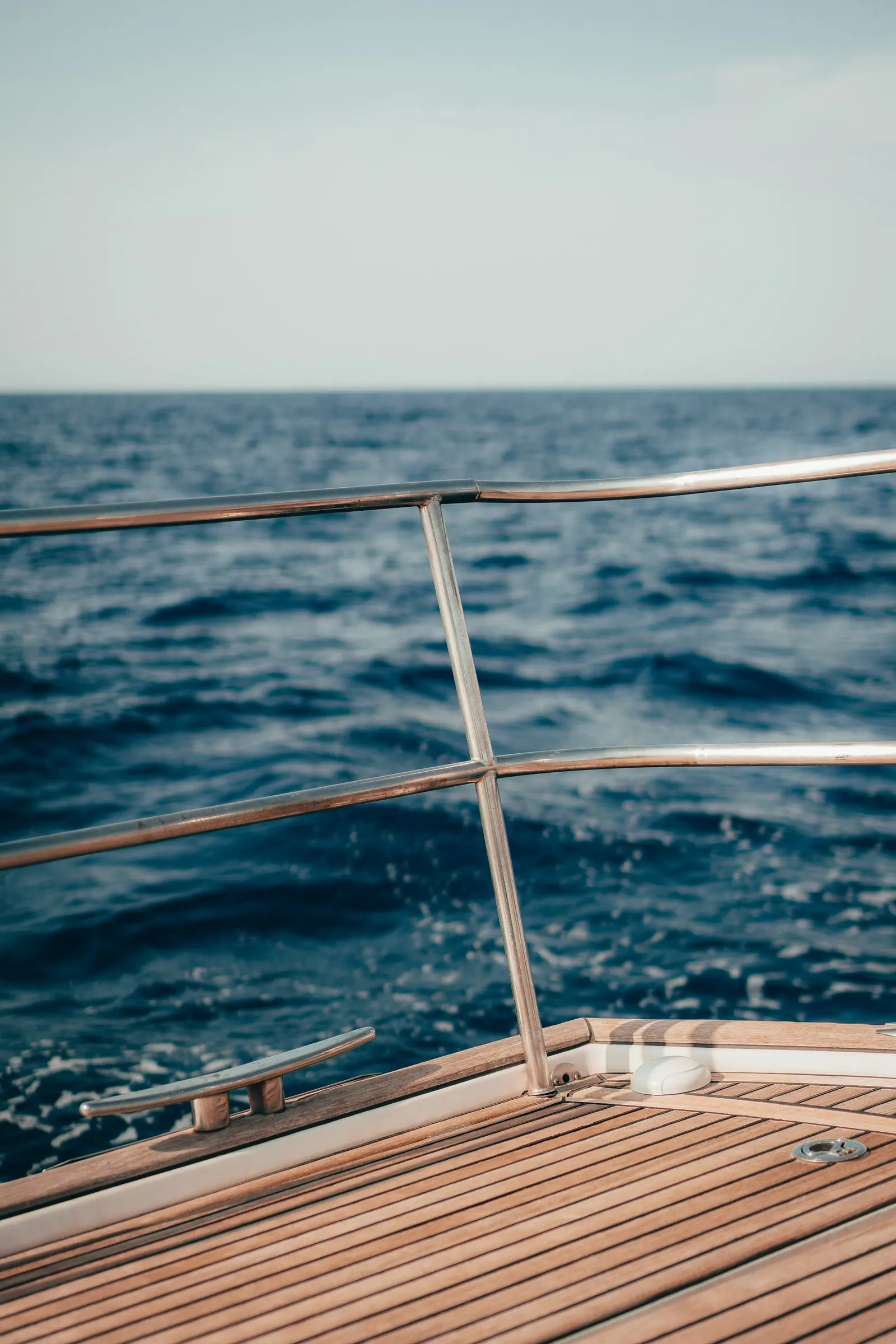
Which colour do you need?
We tell you which colour suits your part and prepare samples for you. Call +34 937 55 62 77 and speak to a technician: they will advise you and give you a price. Monday to Friday, 8:00 to 17:00 (CET). If you prefer, leave us your number and we will call you back within the hour.
Speak to a technician. Monday to Friday, 8:00 to 17:00 (CET). Leave your number and we will call you back within the hour.
Direct contact
- Phone
- +34 937 55 62 77
- bucisl@bucisl.com
- Plant
- Carrer dels Remences, 114, 08304 Mataró (Barcelona)