
Marine-grade anodising for aluminium parts
Marine environment
Speak to a technician. Monday to Friday, 8:00 to 17:00 (CET).
Marine
At sea, it is the sealing that fails
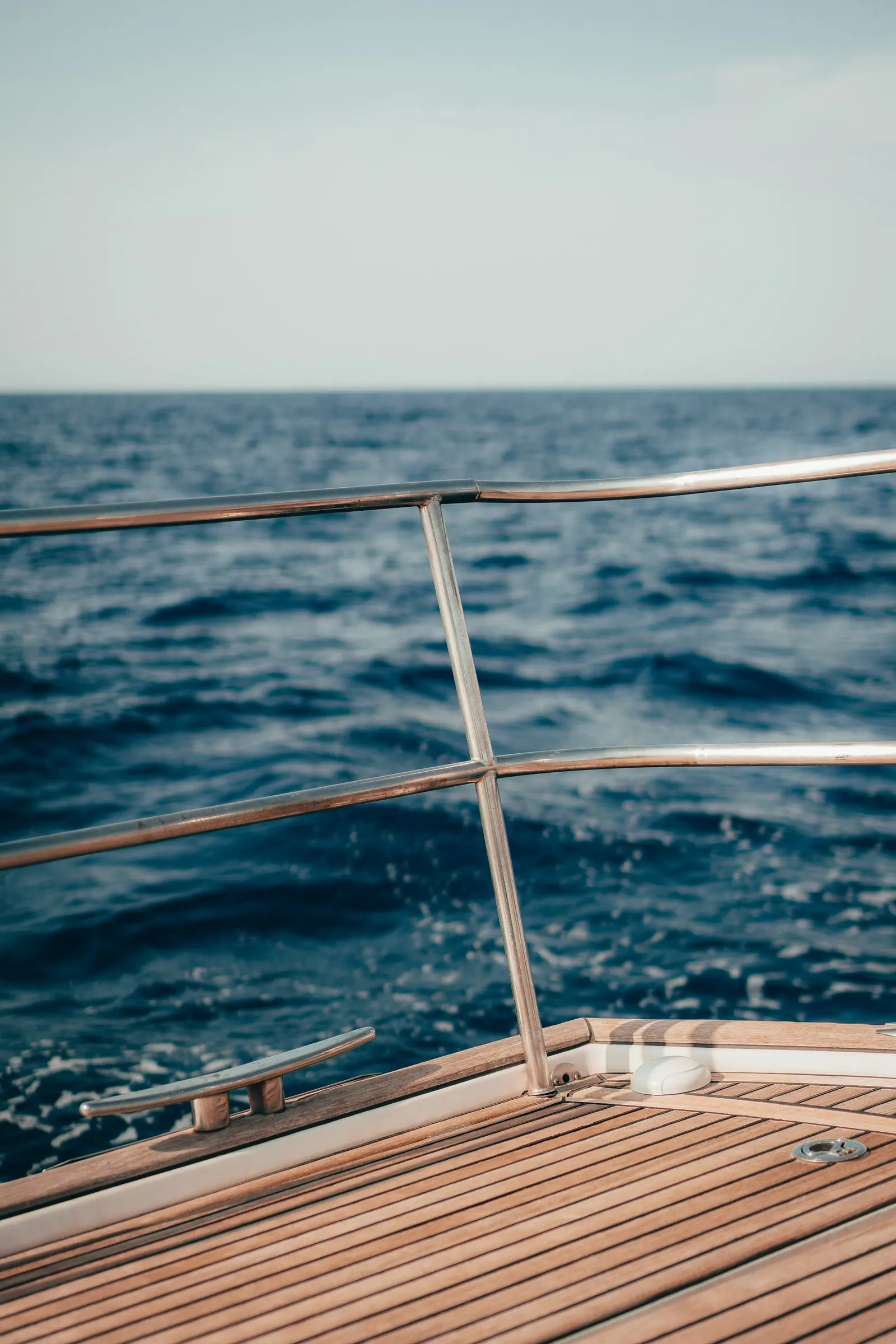
Salt, sun and stainless steel fasteners all attack the aluminium on a boat. If you make fittings, profiles or brackets, we help keep your parts free of pitting and staining, and every order the same colour.
On a boat, aluminium lives among salt, sun and stainless steel fasteners. If the anodic layer is too thin or badly sealed, pitting and white powder appear before long.
Protection comes down to three things: the layer the part’s real exposure calls for, sealing done properly, and an assembly that avoids galvanic coupling with stainless steel. We look after the first two in every batch and warn you about assemblies that cause corrosion. If your customer asks for a salt spray test, we arrange it with an accredited laboratory.
You speak to the people who treat your parts. For production runs, we make colour samples on your own part at no cost.
- Treatment designed for salt air
- The same colour from one order to the next
- Sample part in about 72 hours
- Our own plant near Barcelona, no middlemen
Parts
Parts we treat
Parts up to about 2 metres, exposed to salt, sun and wear.
Deck
Deck fittings and handrails
Heavily used parts, in the sun and salt water all day.
- Careful sealing
- Thickness to exposure
Portlights and hatches
Profiles, covers and frames
Short profiles, covers and frames in the same shade across the boat and in the next order, and resistant to salt spray.
- ΔE*ab ≤ 1.0 between batches
- ISO 9227 on request
Instruments and lighting
Electronic enclosures
Protection against spray and a stable colour.
- Uniform finish
- Traceability
T-top, deck and cockpit components
Brackets and light structures
Parts up to about 2 metres outdoors all year, under prolonged salt spray.
- Thickness to specification
- Careful sealing
Humidity and vibration
Engine room
Finishes that do not spoil fits or threads.
- Threads protected
- Masking
Before production
Refit and prototype
Samples to approve thickness, shade and finish before a refit or a short run.
- Sample in about 72 h
Treatments
Most requested
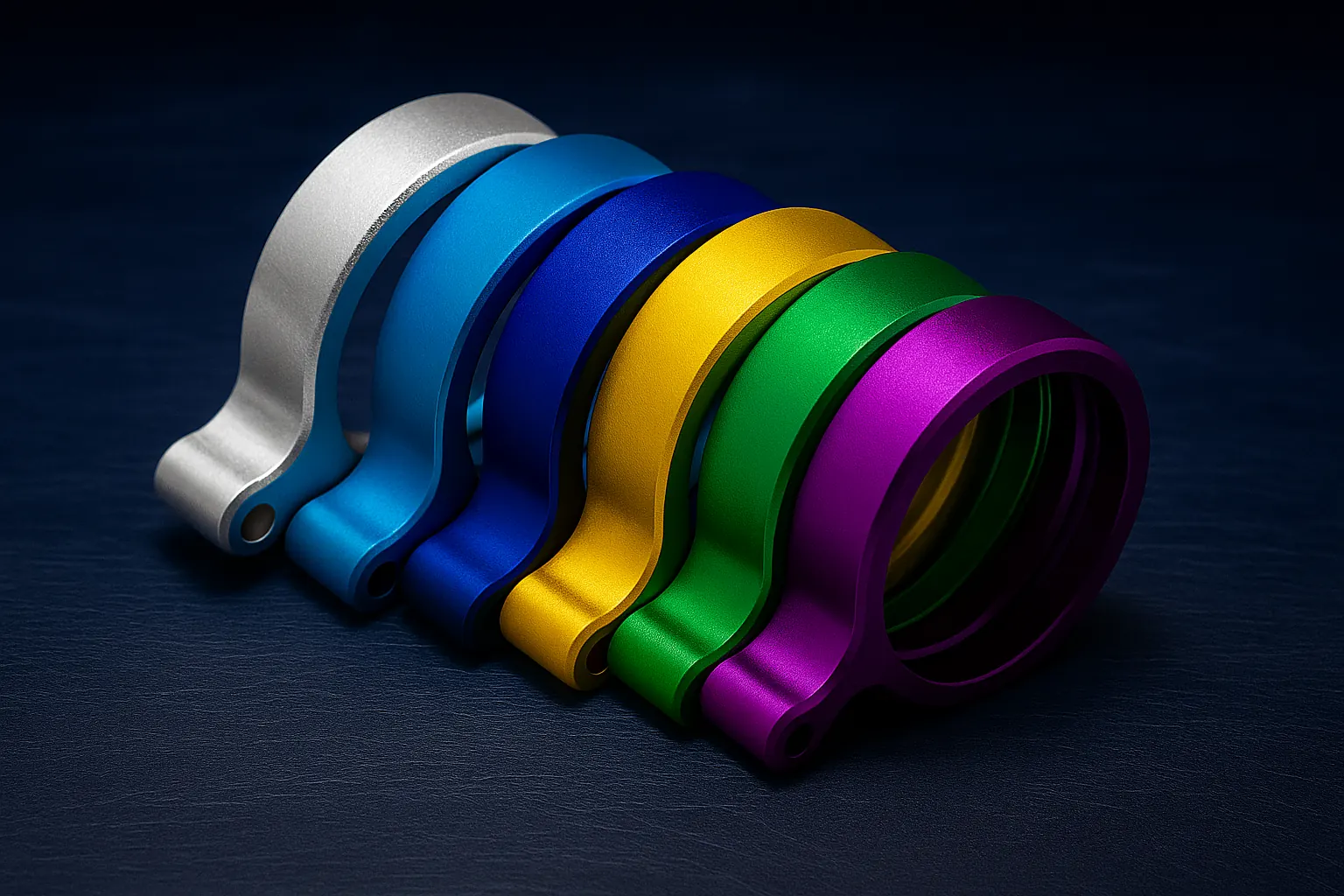
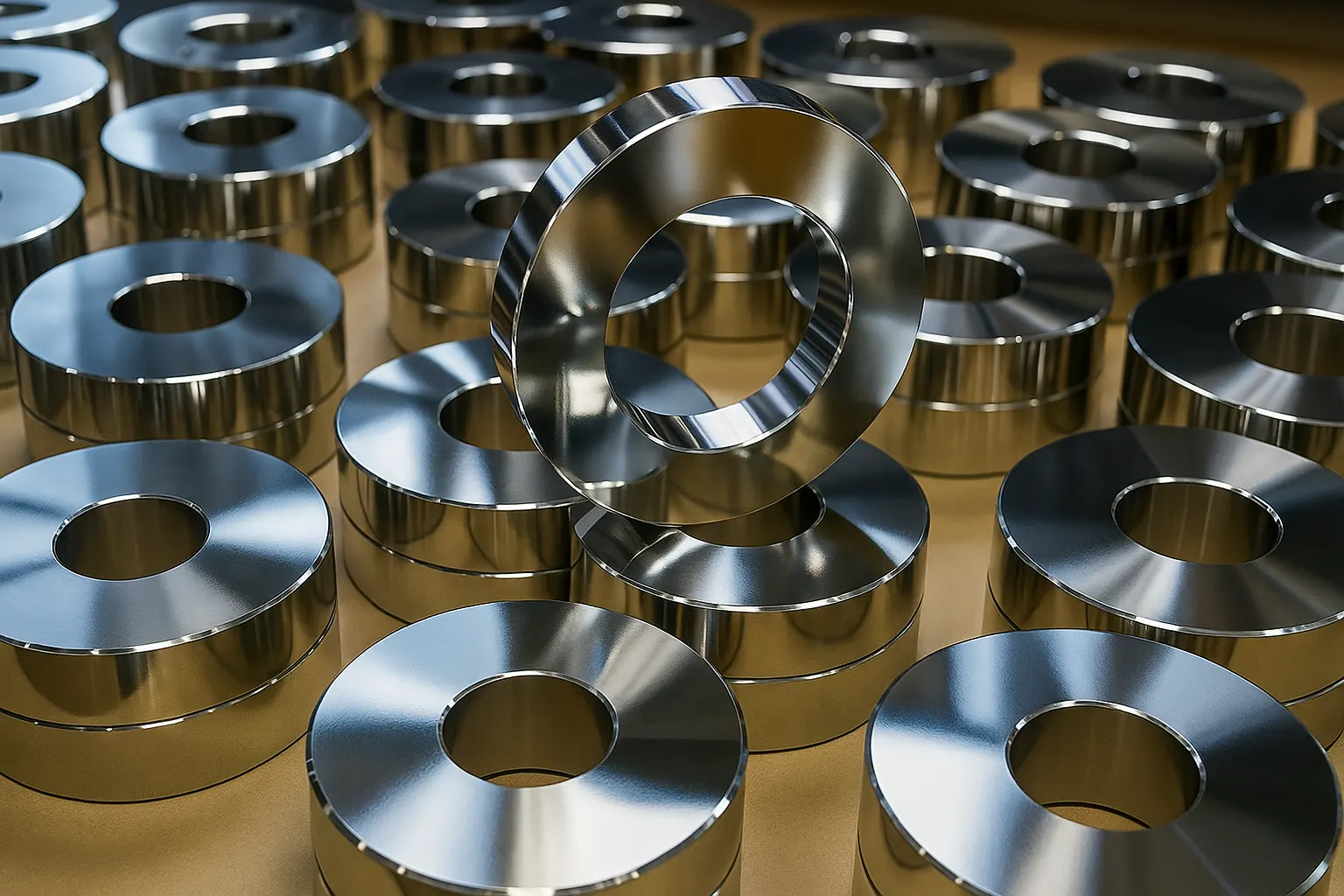
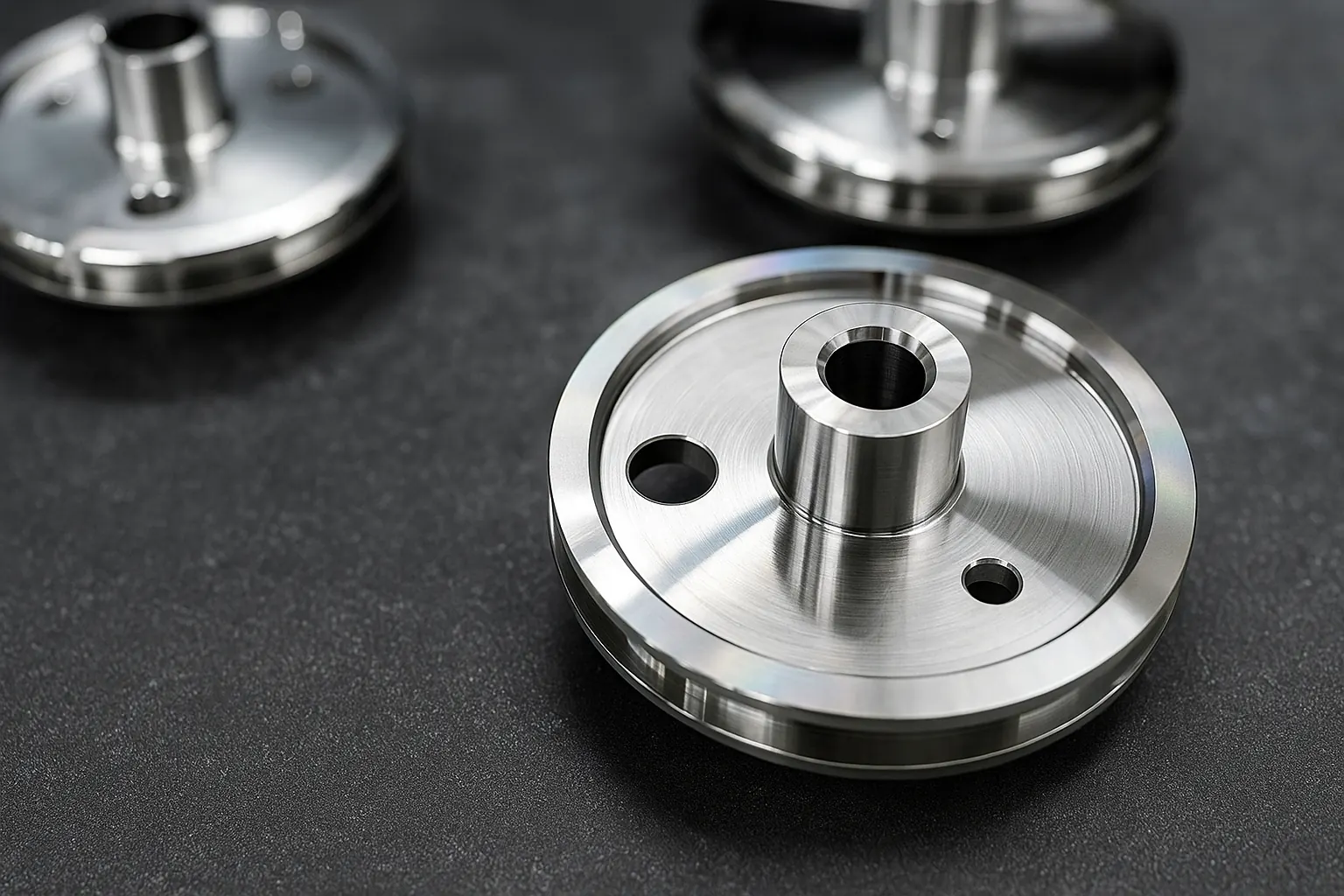
The processes behind most marine projects.
What we measure
What we check in every batch
Thickness, sealing, corrosion and galvanic compatibility: what decides whether a part survives the sea.
Thickness to the exposure
Whatever your specification states. If you do not have one, we set it according to the part’s real exposure and function.
Typical values
- Thickness: To your specification
- Exposure: Sheltered interior · coastal · severe exposure
- General reference: ISO 7599 classes
- Measurement: Eddy current · ISO 2360
How we check it
- Calibrated equipment
- Measured at points on the drawing
- Recorded and signed off by quality
Sealing and porosity
Sealing suited to a marine environment is what makes anodising last. If your specification calls for it, we test sealing and porosity on a sample from every batch.
Typical values
- Test: Per batch, if the specification requires it
- Report: Supplied with the batch
Galvanic compatibility: stainless steel and aluminium
Stainless steel or other metals in contact with aluminium, with salt water between them, corrode it. The answer is to isolate the parts.
If you ask, we note the assembly guidelines on the batch label.
Typical values
- Isolation: Non-conductive washers and gaskets
- Materials: PA, PE or EPDM
Corrosion (salt spray)
If your customer requires the part to be validated in salt spray, we arrange the test with an accredited laboratory and the report goes with the batch.
Reference standards: ISO 9227 · ASTM B117
Typical values
- Hours: As stated in your specification
- Report: From an accredited laboratory
Traceability and certificate
Every batch leaves labelled and, if you ask for it, with its certificate of conformity. If something needs tracing one day, it can be found.
Typical values
- Label: Order · batch · date
- Certificate of conformity: Per batch, on request
- Records: Kept on file for audits
How we work
From sample to production run
Lead times are for guidance: they depend on volume, workload and any tests the project requires.
Requirements
3–5 days
You tell us where the part goes (marina, coast, open sea), the alloy, the colour and the acceptance criteria.
Sample on your part
About 72 h
We treat a few parts on the production route and check thickness, sealing and shade. If needed, they are tested in a laboratory.
Production run
5–10 working days
The same route you approved on the sample, with a control plan per part family and records for every batch.
Delivery
At our plant or by carrier
Final inspection, a certificate of conformity if you ask for it, and packaging that protects the finish.
Frequently asked questions
Frequently asked questions
Which alloys work best at sea?
Mainly 5xxx and 6xxx series, such as 5083, 5754, 6061 or 6082, which perform well in a marine environment.
What thickness does a boat part need?
Whatever your specification states. If you do not have one, we advise you based on the exposure, using the ISO 7599 classes as a general reference.
Do you carry out salt spray tests?
Yes, when your specification requires it. We arrange them with an accredited laboratory, to ISO 9227 or ASTM B117, and the report goes with the batch.
How do you prevent galvanic corrosion with stainless steel fasteners?
By isolating the two parts with non-conductive washers and gaskets and following good assembly practice. We explain it when we see your assembly and, if you ask, note the guidelines on every batch.
Does the colour hold up to sun and salt?
Yes, if the method is chosen well and the part is properly sealed. Electrolytic and interference colours are the most lightfast; some organic dyes fade. If needed, we match the shade to your standard.
How should anodised aluminium be cleaned on a boat?
With fresh water and a neutral soap, no abrasives and no chlorine-based products. If you need one, we can provide a maintenance sheet.
Do you accept audits from boatbuilders?
Yes. We share procedures and records under a confidentiality agreement and, if needed, agree an action plan.
Worried about salt?
Call and tell us where the part goes. A technician tells you which treatment will last and the lead time, and we send you a price within 24 hours.
Speak to a technician. Monday to Friday, 8:00 to 17:00 (CET). Leave your number and we will call you back within the hour.
Direct contact
- Phone
- +34 937 55 62 77
- bucisl@bucisl.com
- Plant
- Carrer dels Remences, 114, 08304 Mataró (Barcelona)