
Bead blasting aluminium
Aluminium bead blasting in Mataró, near Barcelona
Speak to a technician. Monday to Friday, 8:00 to 17:00 (CET).
The process
Two different uses
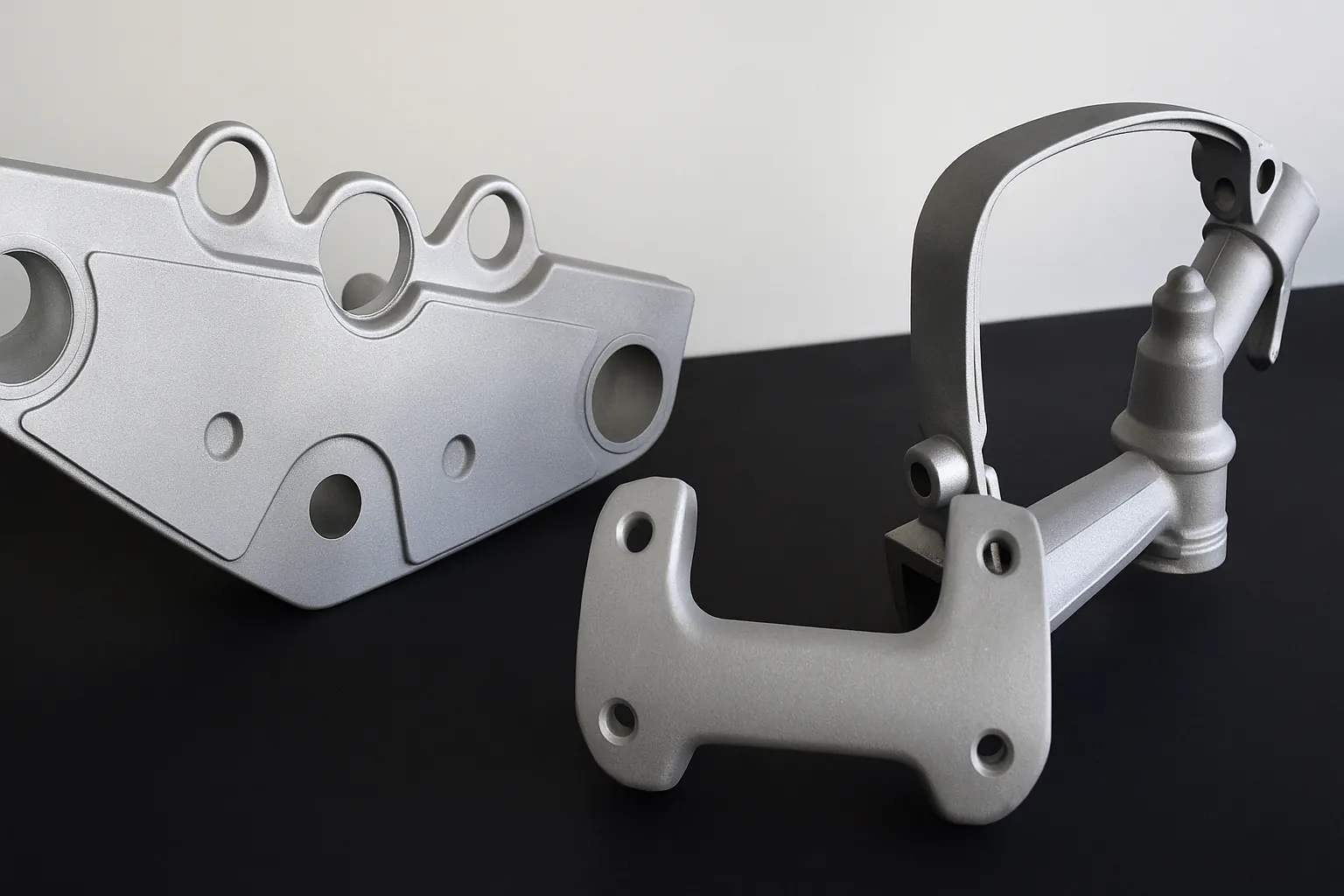
A silky, even matt finish that hides machining marks and fingerprints, or a rough surface that paint and adhesive grip. No iron particles that later show up as stains.
Blasting means projecting an abrasive at the part to clean it and give it texture. On aluminium it does one of two jobs: a visible matt finish that is then anodised, such as matt black or matt silver, or a roughness that paint or adhesive can grip.
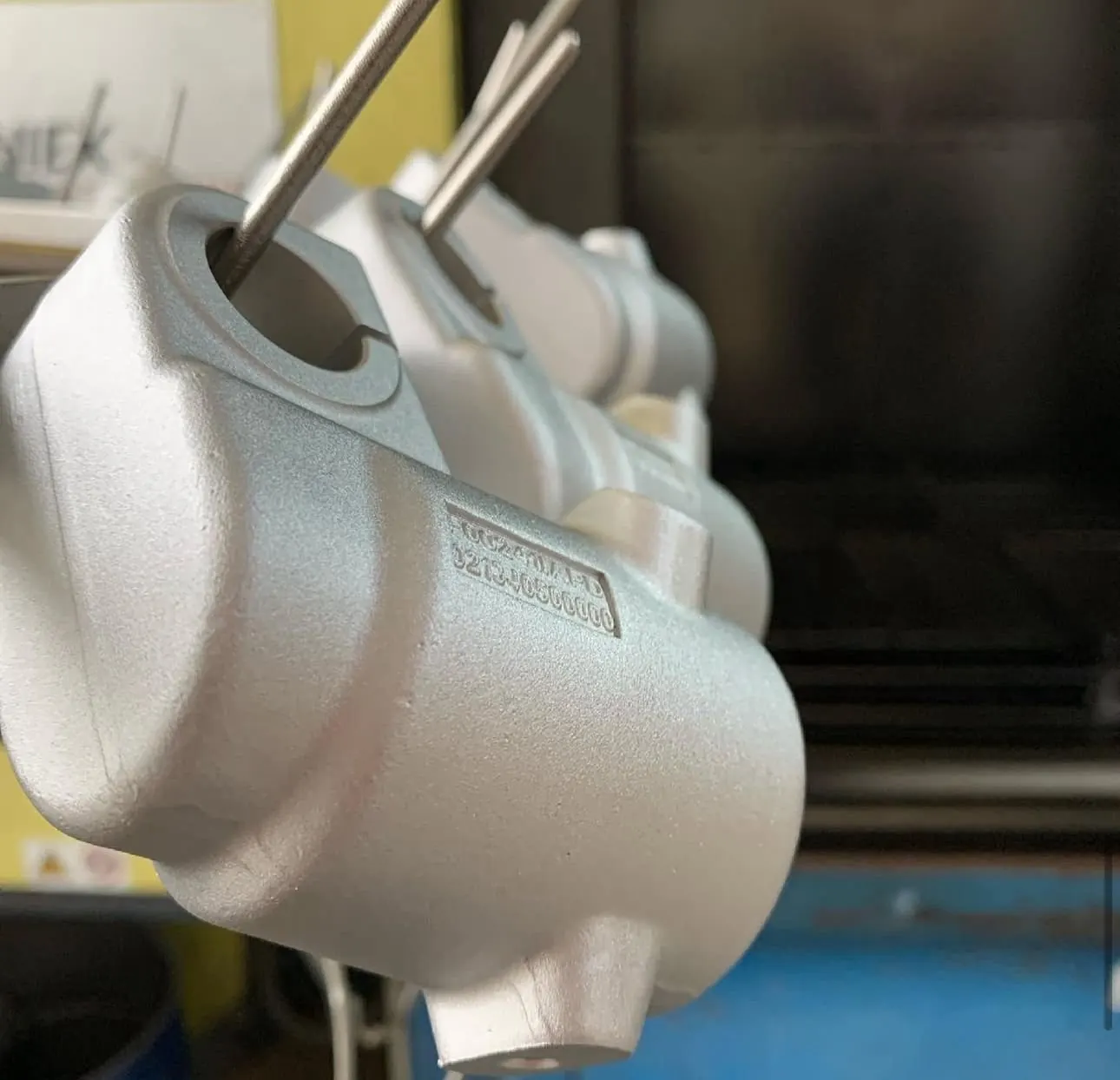
What does most damage to aluminium at this stage is embedded iron: it later shows up as stains in the anodising or as peeling paint. We work with non-ferrous media and filtered, dry air.
- Even matt finish before anodising
- A key for painting or bonding
- Iron-free media: no stains later
- Threads and fits protected
Methods
Media
We choose the media and grit size for the use, the alloy and what comes next.
Glass beads
A fine, even matt finish that does not contaminate the part. The base for matt anodising.
- Low, even roughness
- Media free of magnetic particles
Suitable for: Visible parts · Before anodising · Removing shine
Corundum (aluminium oxide)
A more pronounced roughness: an anchor profile so paint or adhesive grips. We adjust the grit and parameters to the target Ra/Rz.
- Roughness validated on the pilot
- Control of overlaps and shadow areas
Suitable for: Before painting · Before bonding · Technical key
Stainless steel shot
Iron-free cleaning and texture for technical parts.
- Non-ferrous media
- Media cycle and recycling recorded
Suitable for: Precision parts · Corrosive environments
With protected areas
We mask threads, fits and bearing surfaces and blast the rest.
- Masking and racking plan
- Photos as evidence
Suitable for: Critical tolerances · Contact surfaces
In detail
Compatibility with the next process
By grit size. A guide only: always confirmed with a pilot.
Decorative anodising
- Fine: recommended
- Medium: possible after validation
- Coarse: not recommended
Powder coating
- Fine: possible after validation
- Medium: recommended
- Coarse: possible after validation
Liquid paint
- Fine: recommended
- Medium: possible after validation
- Coarse: not recommended
Structural bonding
- Fine: possible after validation
- Medium: recommended
- Coarse: recommended
For guidance only: always confirmed with a pilot part.
Quality control
What we control
Texture, cleanliness and dimensions.
Roughness (Ra/Rz)
To drawing, with measurement points and direction defined, and validated on a test part or panel.
The alloy and its temper affect the roughness that can be reached.
Reference standards: ISO 4287 · ISO 4288
Typical values
- Ra and Rz: To drawing
- Glass (as a guide): ≈ 0.8–2.4 µm Ra
- Corundum (as a guide): ≈ 1.6–5.0 µm Ra
How we check it
- Initial measurement
- Media and parameters adjusted
- Final measurement before delivery
Cleanliness
Iron-free media and line; filtered, dry air with no dust, salts or moisture.
Prevents stains in the anodising and paint adhesion failures.
Typical values
- Media: Non-ferrous
- Air: Filtered and dry
How we check it
- Cleaning after blasting
- Media record
Uniformity
No banding, shadows or brighter patches: the same distance and angle on every part, with repeatable racking.
Typical values
- Passes: Fixed distance and angle
How we check it
- Visual inspection per batch
Dimensions and edges
Threads and fits protected, and edge rounding under control.
On thin sheet we check that the part does not distort.
Typical values
- Masking: To drawing
How we check it
- Racking plan with defined points
- Photos of the fixtures
Traceability
Every batch leaves labelled, with the media, grit, pressure and time recorded.
Typical values
- Certificate of conformity: Per batch
- Record: Media and parameters
- Label: Order · batch · date
Comparison
Bead blasting, satin finishing, vibratory finishing or electropolishing?
Depending on the look you want.
Even matt finish
Glass bead blasting: no direction, silky.
- Before anodising
- Hides marks
- No iron contamination
A key for painting or bonding
Corundum blasting, with the roughness set to what the paint or adhesive requires.
- Roughness validated on the pilot
- Control of overlaps and shadows
Lines or brightness
Satin finishing if you want grain lines; vibratory finishing or electropolishing if you want brightness with controlled roughness.
- Satin finishing: fine lines
- Electropolishing: even brightness
How we work
From sample to production run
Lead times are for guidance: they depend on volume, workload and any tests the project requires.
Call and quotation
Under 24 h
You tell us whether you want a visible matt finish or a key for painting, which faces are visible and which areas must not be touched.
Test part
About 72 h
We blast a part or panel with the agreed media so you can approve the texture and appearance.
Production run
5–10 working days
The same media, the same grit and the same parameters you approved, with checks on every batch.
Delivery
At our plant or by carrier
Final inspection, a certificate of conformity if you ask for it, and packaging that protects the finish.
Frequently asked questions
Frequently asked questions
Why do stains appear on blasted and anodised aluminium?
Often because of iron particles left embedded when blasting with ferrous media. We use iron-free media.
Can aluminium be anodised after blasting?
Yes, it is the usual way to get a matt anodised finish, in black or silver. For that we use glass beads, and we validate appearance and roughness on the pilot.
Which media do you use for visible aluminium?
Glass beads or stainless steel shot, so the part is not contaminated with iron. We choose according to the look and roughness you want.
What roughness can be achieved?
It depends on the media, grit, pressure, distance and alloy. As a guide: with glass, 0.8–2.4 µm Ra; with corundum, 1.6–5.0 µm.
Does it round edges or change dimensions?
It can soften edges. We protect critical areas and check it on the pilot.
Do you issue a certificate and records?
Yes, if you ask: media and grit, parameters and the evidence we agree, with a certificate of conformity for every batch.
How long does it take?
Samples or the pilot run in about 72 hours (48–72 h). Production runs in 5 to 10 working days, as a guide, depending on volume and workload. More than 99% of our deliveries leave on time.
Sectors
Where we apply it
Engineering and machinery
Machined parts, tooling and brackets anodised without going out of tolerance, with lead times that do not slow your delivery.
Find out more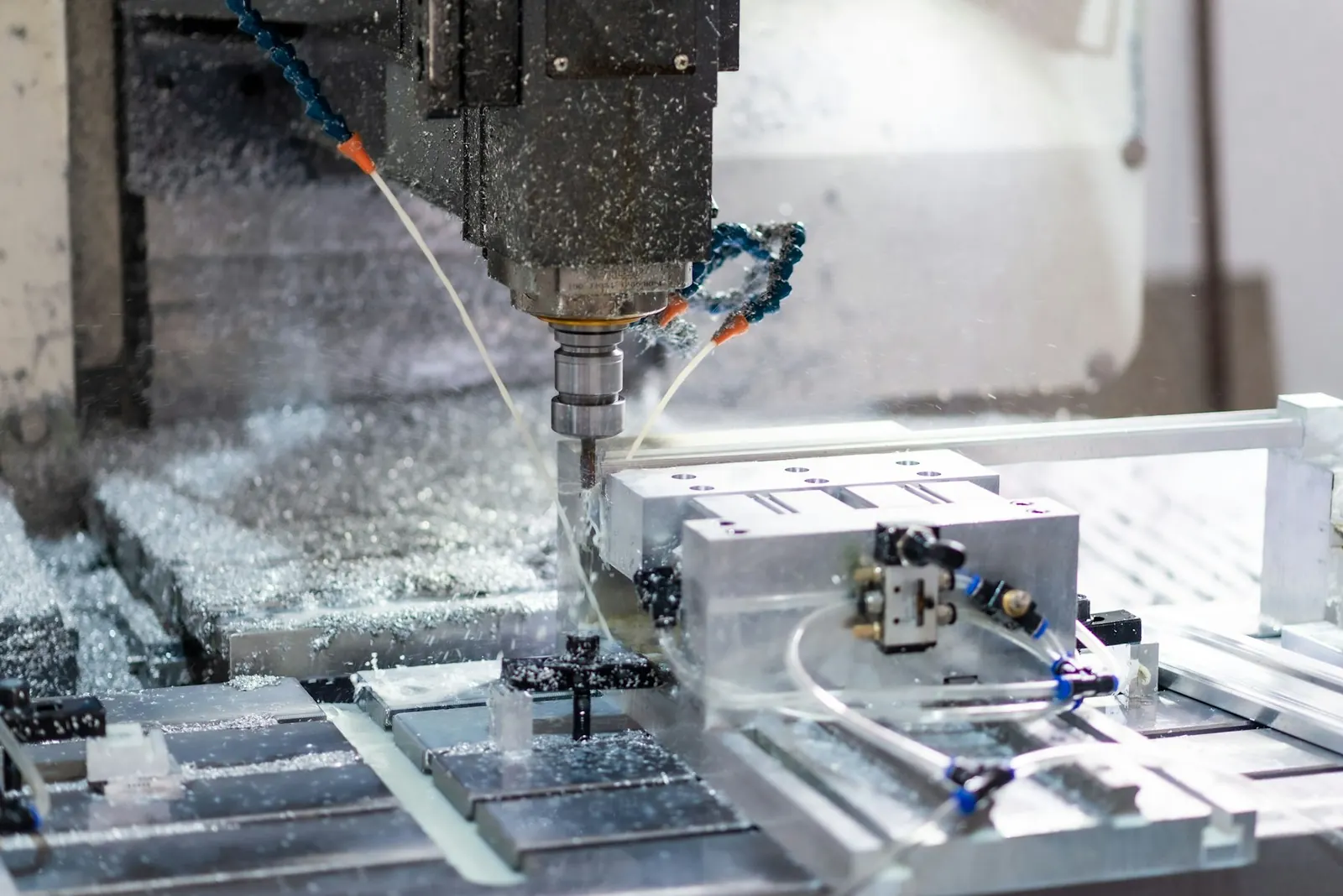
Industrial design
Products, lighting and furniture with colour, gloss and texture approved on a sample and repeated in every order.
Find out more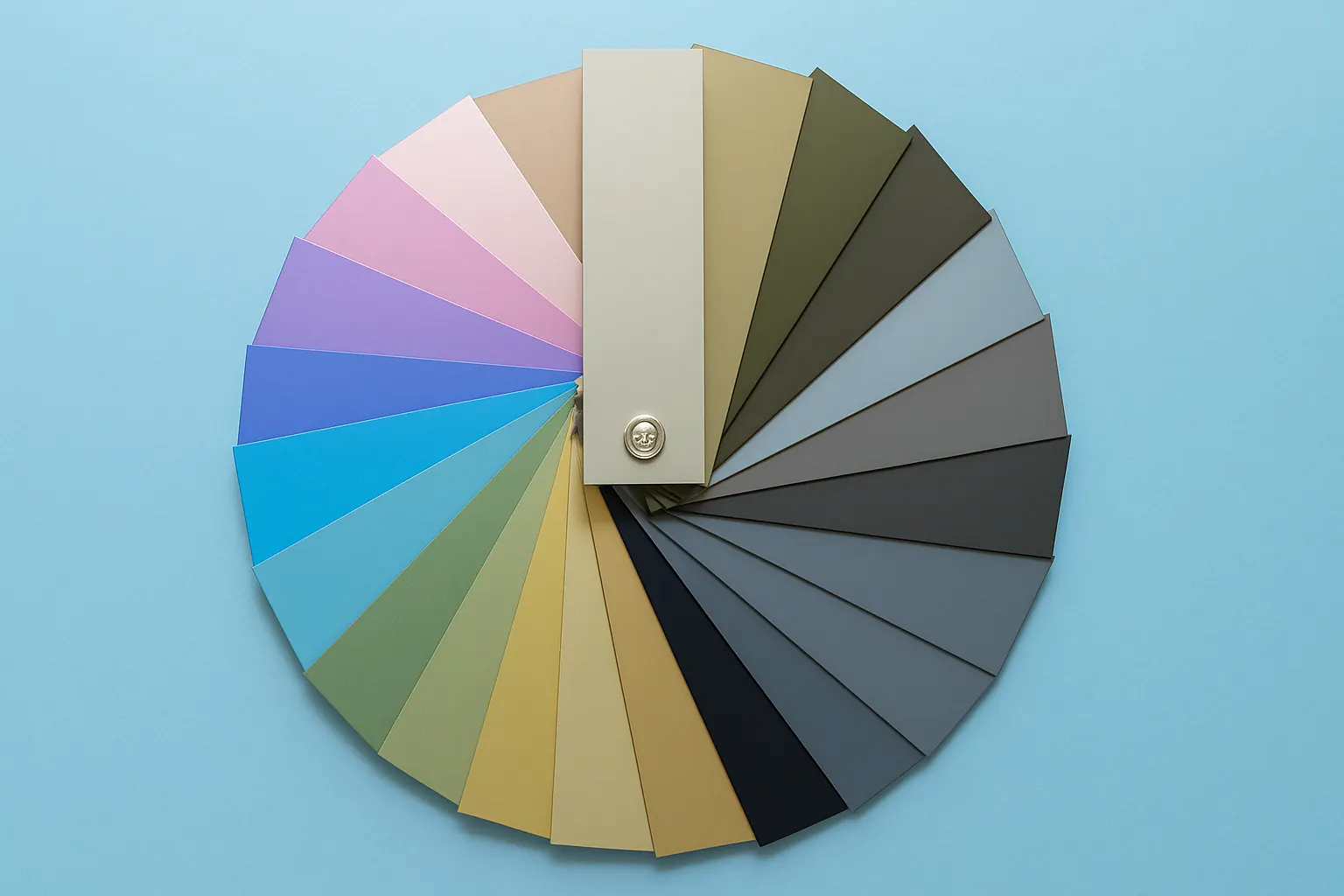
Automotive
Visible and technical parts for automotive and e-mobility suppliers, with the same colour and the same paperwork in every batch.
Find out more
Matt finish or a key for painting?
We tell you which media and grit your part needs. Call +34 937 55 62 77 and speak to a technician: they will advise you and give you a price. Monday to Friday, 8:00 to 17:00 (CET). If you prefer, leave us your number and we will call you back within the hour.
Speak to a technician. Monday to Friday, 8:00 to 17:00 (CET). Leave your number and we will call you back within the hour.
Direct contact
- Phone
- +34 937 55 62 77
- bucisl@bucisl.com
- Plant
- Carrer dels Remences, 114, 08304 Mataró (Barcelona)